
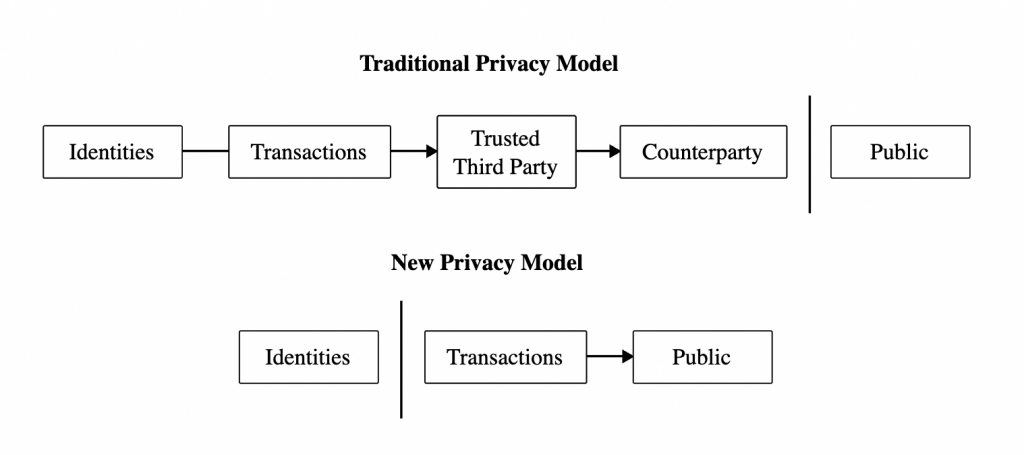
One of the most common misconceptions about Bitcoin is that it is anonymous. It is not. Bitcoin is pseudonymous – transactions are linked to addresses, not names, but those addresses can often be connected to real-world identities through analysis. Understanding Bitcoin privacy is essential for anyone who values financial freedom.
The Transparency Problem
Every Bitcoin transaction is recorded on a public blockchain that anyone can view. If someone knows your Bitcoin address, they can see every transaction you have ever made and your current balance. This level of transparency is unprecedented in the history of money.
Chain analysis companies like Chainalysis and Elliptic specialize in linking Bitcoin addresses to real-world identities. They use techniques like:
- Address clustering: Grouping addresses that are likely controlled by the same entity based on transaction patterns.
- Exchange data: Using KYC (Know Your Customer) data from exchanges to link addresses to identities.
- Network analysis: Monitoring the IP addresses of nodes broadcasting transactions.
- Heuristic analysis: Using patterns like change addresses and transaction timing to identify users.
Privacy Best Practices
While perfect privacy is difficult to achieve, there are steps you can take to improve your financial privacy on Bitcoin:
Use a New Address for Every Transaction
Modern Bitcoin wallets automatically generate a new address for each transaction. This makes it harder to link your transactions together. Never reuse addresses.
Run Your Own Node
When you use a third-party wallet or service, they can see your addresses and transaction history. Running your own Bitcoin node means you do not have to trust anyone else with your financial data.
Use CoinJoin
CoinJoin is a technique where multiple users combine their transactions into a single transaction, making it difficult to determine which inputs correspond to which outputs. Wallets like Wasabi and Samourai (now discontinued) implemented CoinJoin, and Sparrow Wallet supports it as well.
Use the Lightning Network
Lightning transactions are not recorded on the public blockchain. While they are not perfectly anonymous, they offer significantly better privacy than on-chain transactions.
Be Careful with KYC
When you buy Bitcoin from a regulated exchange, they collect your personal information. This creates a permanent link between your identity and your Bitcoin. Consider using peer-to-peer exchanges, Bitcoin ATMs, or earning Bitcoin as payment to avoid KYC.
The Privacy Debate
There is an ongoing debate in the Bitcoin community about privacy. Some argue that privacy is a fundamental right and that Bitcoin should do more to protect it. Others worry that strong privacy features could attract regulatory crackdowns that would harm Bitcoin’s adoption.
The truth is that privacy and transparency are not mutually exclusive. Bitcoin’s base layer is transparent by design, which provides auditability and trust. But users should have the option to enhance their privacy through optional tools and techniques. The goal is to give individuals control over their own financial data.
The Bottom Line
Bitcoin is not anonymous, but it can be private. By understanding the privacy limitations of the base layer and using tools like CoinJoin, Lightning, and your own node, you can significantly improve your financial privacy. In a world of increasing surveillance, the ability to transact privately is not a luxury – it is a necessity.