
Author name: Herman Munster

an illustration of the bitcoin orange pill, size may vary.

Bitcoin for Human Rights: How Decentralized Money Protects the Worlds Most Vulnerable People

While much of the Bitcoin conversation focuses on price, technology, and investment, there is a more profound story: Bitcoin as a tool for human rights. Around the world, in countries with authoritarian governments, failing currencies, and restricted financial systems, Bitcoin is providing a lifeline to people who have no other options. From political dissidents to […]

Bitcoin for Human Rights: How Decentralized Money Protects the Worlds Most Vulnerable People Read More »

an illustration of the bitcoin orange pill, size may vary.

Lost Bitcoins: How Millions of BTC Disappeared Forever and Why That Makes Bitcoin More Valuable

An estimated 3-4 million Bitcoin – approximately 15-20% of the total supply – are permanently lost forever. These coins are locked in wallets whose private keys have been forgotten, lost on discarded hard drives, or held by people who have died without sharing their access credentials. While this might seem like a tragedy, it actually

Lost Bitcoins: How Millions of BTC Disappeared Forever and Why That Makes Bitcoin More Valuable Read More »

The Immutable Ledger: Why Bitcoins Unchangeable History Is Its Greatest Feature

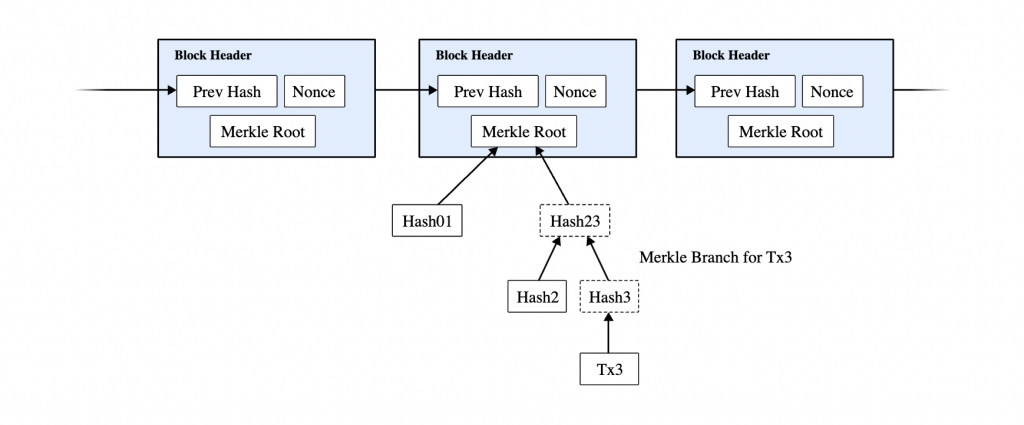
One of Bitcoins most revolutionary properties is its immutability – once a transaction is confirmed on the Bitcoin blockchain, it cannot be reversed, altered, or deleted. This permanent, tamper-proof record is what makes Bitcoin a trustworthy financial system without the need for trusted intermediaries. In a world where digital information can be copied and modified

The Immutable Ledger: Why Bitcoins Unchangeable History Is Its Greatest Feature Read More »

The Bitcoin Whitepaper at 17: Why Satoshi’s Nine-Page Paper Still Matters

The Whitepaper That Changed Everything On October 31, 2008, a person or group using the name Satoshi Nakamoto published a nine-page paper on a cryptography mailing list. The title was simple: Bitcoin: A Peer-to-Peer Electronic Cash System. The paper described a system for electronic transactions without relying on trust. It was, in many ways, the

The Bitcoin Whitepaper at 17: Why Satoshi’s Nine-Page Paper Still Matters Read More »

Download the Bitcoin Whitepaper

Satoshis Vision in 2026: How Bitcoins Creator Would View Todays Ecosystem

Satoshi Nakamoto disappeared from public view in December 2010, leaving behind a revolutionary technology and a set of principles that continue to guide the Bitcoin community. More than 15 years later, the Bitcoin ecosystem has evolved in ways that Satoshi could scarcely have imagined. How would the enigmatic creator view what their creation has become?

Satoshis Vision in 2026: How Bitcoins Creator Would View Todays Ecosystem Read More »

Mining Pool Decentralization: The Ongoing Battle for Bitcoins Soul

Bitcoins proof-of-work is designed to be decentralized. But mining economics have led to large mining pools that coordinate thousands of miners. As of 2026, the top three mining pools control over 50% of the networks hash rate, raising legitimate centralization concerns. The Bitcoin community is actively working to address this through protocol improvements and new

Mining Pool Decentralization: The Ongoing Battle for Bitcoins Soul Read More »

an illustration of the bitcoin orange pill, size may vary.

The Taproot Upgrade: Bitcoins Most Important Protocol Improvement Since SegWit

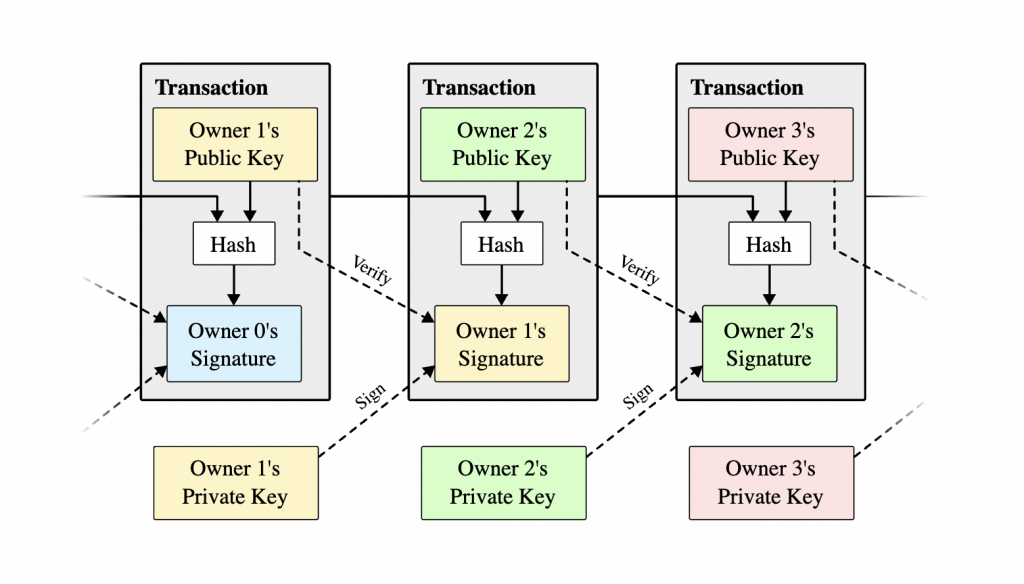
On November 14, 2021, Bitcoin activated its most significant protocol upgrade in four years: Taproot. This soft fork introduced three interconnected improvements – Schnorr signatures, Taproot, and Tapscript – that collectively enhanced Bitcoins privacy, efficiency, and programmability. By 2026, Taproot has become the foundation for a new generation of Bitcoin applications. What Is Taproot? Taproot

The Taproot Upgrade: Bitcoins Most Important Protocol Improvement Since SegWit Read More »

Quantum Computing and Bitcoin: Is the Threat Real or Overblown?

The Quantum Threat: Real or Overblown? Quantum computing has been called an existential threat to Bitcoin. The theory is that a sufficiently powerful quantum computer could break the elliptic curve cryptography that Bitcoin uses, allowing an attacker to steal funds from any address. But how real is this threat, and what is the Bitcoin community

Quantum Computing and Bitcoin: Is the Threat Real or Overblown? Read More »

Running a Bitcoin Full Node: Why It Matters and How to Do It in 2026

When most people think about participating in the Bitcoin network, they think about buying and holding Bitcoin. But there is another way to participate that is arguably more important: running a full node. A full node is a computer that downloads and verifies the entire Bitcoin blockchain, enforcing the networks rules independently. By running a

Running a Bitcoin Full Node: Why It Matters and How to Do It in 2026 Read More »

Bitcoins Difficulty Adjustment: The Genius Mechanism That Keeps Bitcoin Running

Every 2,016 blocks – roughly every two weeks – Bitcoin performs a quiet miracle. It automatically adjusts the difficulty of its mining puzzle to ensure that blocks continue to be found every 10 minutes, regardless of how much computing power is on the network. This self-regulating mechanism is one of the most elegant and important

Bitcoins Difficulty Adjustment: The Genius Mechanism That Keeps Bitcoin Running Read More »