
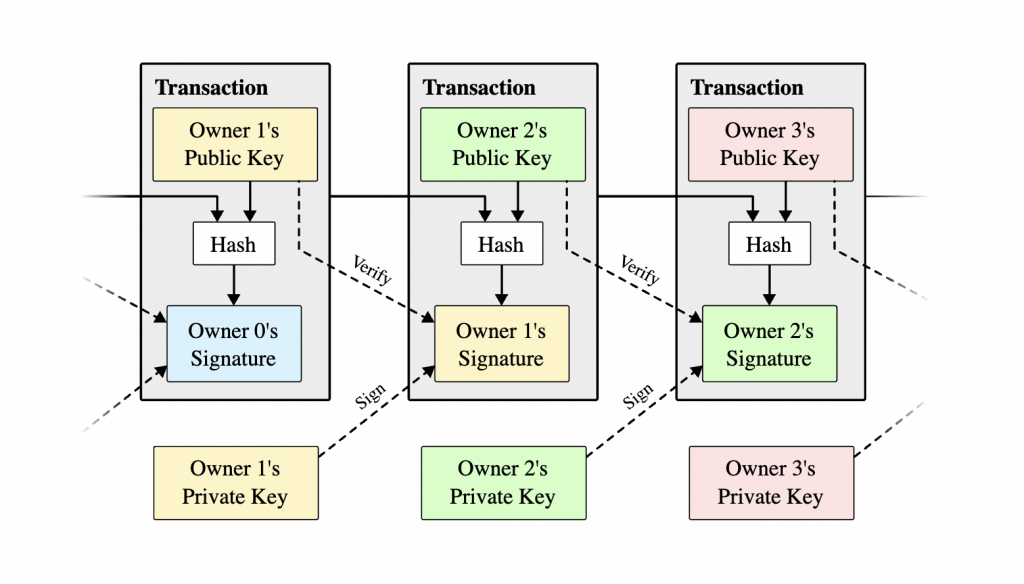
In January 2023, a software engineer named Casey Rodarmor launched Ordinals, a protocol that allows data (images, text, audio) to be inscribed directly onto individual satoshis on the Bitcoin blockchain. The launch was controversial – some saw it as a creative expansion of Bitcoin’s capabilities, while others viewed it as spam on the world’s most secure blockchain. Regardless of where you stand, Ordinals and the subsequent BRC-20 token standard have opened up new possibilities for Bitcoin.
What Are Ordinals?
Ordinals are a numbering scheme for individual satoshis (the smallest unit of Bitcoin, equal to 0.00000001 BTC). Each satoshi is assigned a unique number based on the order in which it was mined. Using the Taproot upgrade, data can be inscribed onto these satochis, creating what are essentially Bitcoin-native NFTs.
The key innovation is that Ordinals do not require a separate token or sidechain. The data is stored directly on the Bitcoin blockchain, making it as permanent and secure as Bitcoin itself.
What Are BRC-20 Tokens?
BRC-20 is a token standard built on top of Ordinals. It allows users to create and trade fungible tokens (similar to ERC-20 tokens on Ethereum) using the Bitcoin blockchain. BRC-20 tokens are created by inscribing JSON data onto satoshis, which defines the token’s name, supply, and other properties.
BRC-20 tokens have exploded in popularity, with thousands of tokens created and traded. While most have little value, the standard has demonstrated that Bitcoin can support more complex applications than simple payments.
The Controversy
Ordinals and BRC-20 have been highly controversial in the Bitcoin community:
- Proponents argue: Ordinals expand Bitcoin’s use cases, attract new users, and generate additional fee revenue for miners. They also demonstrate that Bitcoin can support more complex applications than previously thought.
- Critics argue: Ordinals clog the blockchain with non-financial data, drive up transaction fees for regular users, and violate Bitcoin’s original purpose as a peer-to-peer payment system. Some have called for Ordinals to be censored or filtered.
The Bottom Line
Ordinals and BRC-20 represent a new chapter in Bitcoin’s evolution. Whether you see them as innovation or pollution, they have demonstrated that Bitcoin is more versatile than many assumed. As the ecosystem matures, we will likely see more sophisticated applications built on top of Bitcoin, expanding its use cases beyond simple payments and store of value.