In an era of increasing financial surveillance, capital controls, and monetary manipulation, the ability to hold and control your own money without permission from any authority is not just a convenience – it is a fundamental human right. Bitcoin makes this possible for the first time in human history, and the principle of self-custody lies at the heart of its revolutionary potential.
The History of Financial Control
Governments have always sought to control money. From ancient coin clipping to modern capital controls, the history of finance is largely a history of states asserting dominance over economic activity. In the 20th century, this control reached new heights with the advent of fiat currency, central banking, and digital payment systems.
The United States severed the dollar’s link to gold in 1971, unleashing an era of unprecedented monetary expansion. Since then, the dollar has lost over 96% of its purchasing power. Similar stories play out across the world: the Argentine peso, Turkish lira, Nigerian naira, and Venezuelan bolivar have all experienced catastrophic devaluations.
Today, most people’s money exists as entries in bank databases. Banks can freeze accounts, reverse transactions, and report activity to governments. Payment processors can block transactions they deem undesirable. Central banks can devalue savings through inflation. This system works well for those in power, but it leaves ordinary people vulnerable.
Self-Custody: The Bitcoin Way
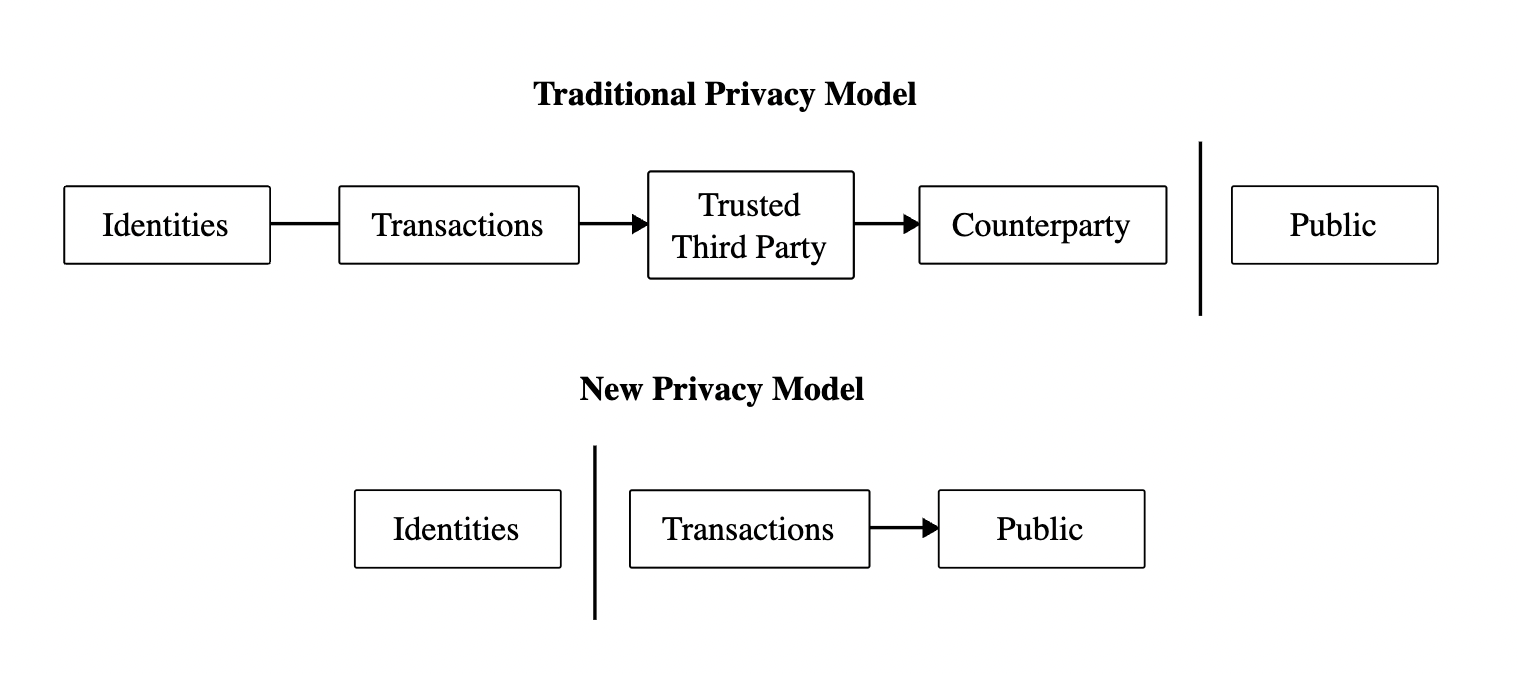
Bitcoin offers a radically different model. When you hold Bitcoin in your own wallet, with your own private keys, no one can freeze, seize, or devalue your funds. No bank can block your transactions. No government can inflate your savings away. No payment processor can decide what you are allowed to buy.
This is the essence of self-custody: you, and only you, control your Bitcoin. The famous Bitcoin saying “not your keys, not your coins” captures this principle perfectly. When you hold Bitcoin on an exchange, you are trusting a third party. When you hold it in your own wallet, you are exercising true financial sovereignty.
The root problem with conventional currency is all the trust that’s required to make it work. The central bank must be trusted not to debase the currency, but the history of fiat currencies is full of breaches of that trust.
Satoshi Nakamoto, 2009
Real-World Examples of Financial Oppression
The need for self-custody is not theoretical. Around the world, people face real financial oppression that Bitcoin can help them escape:
Nigeria (2020-2025)
The Nigerian government restricted access to bank accounts of Bitcoin users and created a CBDC (the eNaira) to increase financial surveillance. Despite these restrictions, Nigeria consistently ranks among the top countries for Bitcoin adoption, as citizens use it to escape the naira’s collapse and government control.
Canada (2022)
The Canadian government invoked the Emergencies Act to freeze the bank accounts of trucker protesters and their supporters. Over 200 bank accounts were frozen without court orders, demonstrating how easily financial access can be weaponized. Bitcoin donations to the protesters could not be frozen.
Turkey (2021-2025)
The Turkish lira lost over 80% of its value as President Erdogan pursued unorthodox monetary policies. Millions of Turks turned to Bitcoin to protect their savings, making Turkey one of the highest-adoption countries in the world.
Argentina (2023-2026)
Strict capital controls prevent Argentines from buying dollars, and inflation exceeded 100% annually. Bitcoin and stablecoins have become essential tools for preserving wealth, with Argentina becoming a global hub for Bitcoin adoption and development.
Russia (2022-2025)
Sanctions cut Russian banks off from SWIFT and froze central bank reserves. Bitcoin became a lifeline for ordinary Russians trying to move wealth abroad or receive payments from overseas.
The Regulatory Threat to Self-Custody
As Bitcoin grows, governments are increasingly targeting self-custody. Proposed regulations in the United States, European Union, and elsewhere seek to impose reporting requirements on self-hosted wallets, ban anonymous Bitcoin holdings, or mandate backdoor access for law enforcement.
The Financial Action Task Force (FATF) has proposed the “travel rule,” which would require cryptocurrency service providers to collect and share information about the originators and beneficiaries of transactions. While aimed at preventing money laundering, this rule would effectively eliminate financial privacy for Bitcoin users.
These efforts represent a direct threat to financial freedom. If governments can force you to identify yourself every time you move Bitcoin, or if they can ban certain types of wallets, the entire value proposition of Bitcoin is undermined.
How to Practice Self-Custody
For those new to Bitcoin, self-custody can seem intimidating. But the tools have never been better:
- Hardware wallets (Ledger, Trezor, Coldcard) provide the highest security for long-term storage. They keep your private keys offline and immune to computer viruses
- Mobile wallets (BlueWallet, Phoenix, Muun) offer convenient self-custody for everyday amounts. They are easy to use and support the Lightning Network
- Multisig setups provide enhanced security by requiring multiple keys to sign transactions. Services like Casa and Unchained Capital make multisig accessible
- Seed phrase backups ensure you can recover your Bitcoin even if your device is lost or damaged. Write your seed phrase on metal, not paper
- Running your own node provides the highest level of privacy and security. Devices like Umbrel and RaspiBlaze make this accessible to non-technical users
A Human Right for the Digital Age
The right to control your own property is enshrined in Article 17 of the Universal Declaration of Human Rights. In the digital age, this right extends to digital property. Bitcoin makes it possible to exercise this right in a way that was previously impossible – without relying on any third party, across borders, and without permission.
Self-custody is not just a technical feature of Bitcoin. It is a moral imperative. As financial systems become more centralized and surveilled, the ability to hold your own money becomes more important with each passing year.
The future of financial freedom depends on the ability of individuals to hold and control their own wealth without permission from any authority. Bitcoin makes this possible. Self-custody makes it real.
Take control of your financial future at bitcoin.org.