
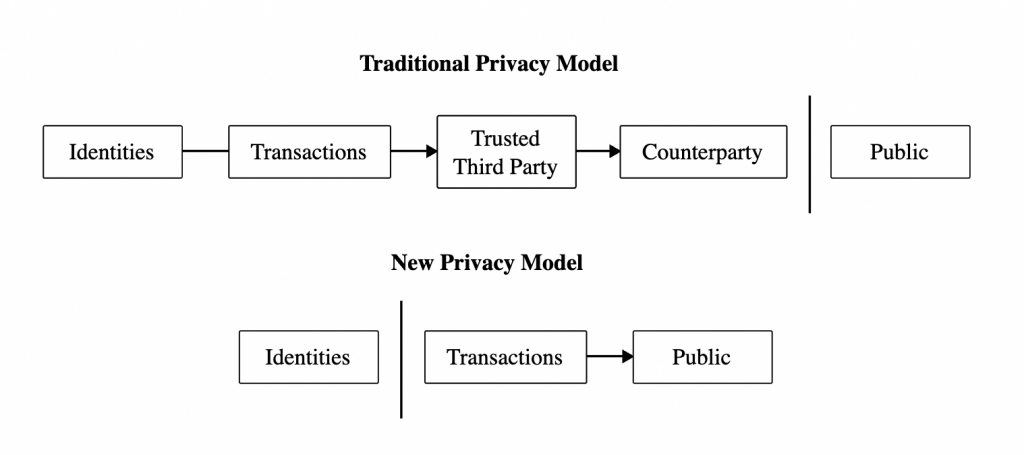
Bitcoin is not anonymous. Every transaction is recorded on a public, permanent ledger that anyone can inspect. While Bitcoin addresses are pseudonymous, sophisticated chain analysis can often link addresses to real-world identities. In an era of increasing financial surveillance, understanding and using Bitcoins privacy tools is essential for anyone who values financial freedom.
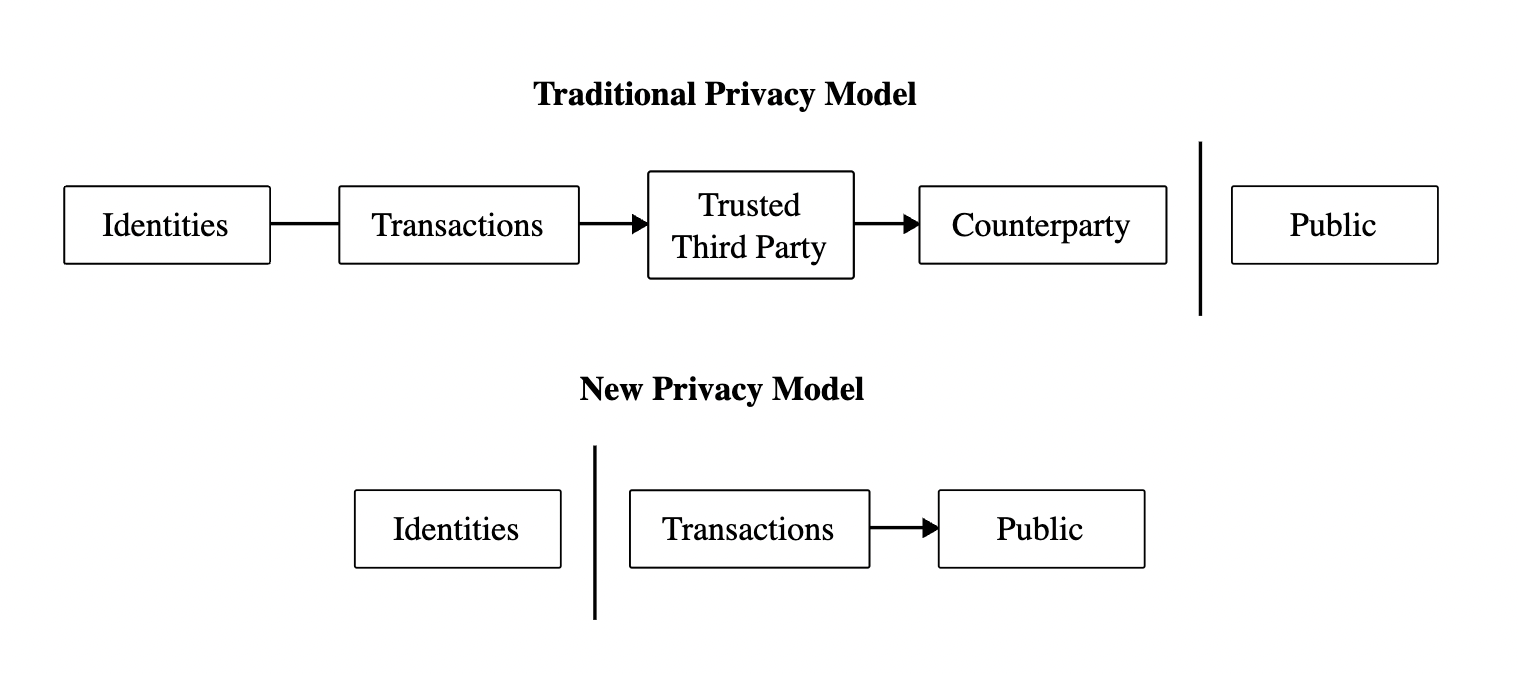
The Privacy Problem
When you make a Bitcoin transaction, you create a permanent record on the blockchain. Chain analysis companies like Chainalysis, Elliptic, and CipherTrace specialize in analyzing these records to identify the parties involved. These companies work closely with governments and law enforcement, helping track down Silk Road users, identify tax evaders, and support sanctions enforcement.
If you buy Bitcoin on a regulated exchange (which requires KYC/AML identification), your identity is linked to your Bitcoin address. From that point on, every transaction you make can potentially be traced back to you.
CoinJoin: The Gold Standard of Bitcoin Privacy
CoinJoin is the most widely used Bitcoin privacy technique. Multiple users combine their transactions into a single transaction, making it difficult to determine which inputs correspond to which outputs. The more participants in a CoinJoin transaction, the stronger the privacy. With 100 participants, there are 100 factorial possible mappings between inputs and outputs.
Major CoinJoin Implementations
Wasabi Wallet, developed by zkSNACKs, was one of the first wallets to implement CoinJoin using a coordinator server. Samourai Wallet offered advanced features including Whirlpool (continuous CoinJoin) and Ricochet (extra hops). However, both faced regulatory pressure – zkSNACKs shut down its coordinator in 2024, and Samourais developers were arrested by the US government.
JoinMarket takes a different approach as a decentralized CoinJoin marketplace where users earn fees by providing liquidity. There is no central coordinator, making it more resistant to regulatory pressure.
PayJoin: Privacy Through Collaboration
PayJoin breaks the common-input-ownership heuristic. In a PayJoin transaction, the receiver also contributes an input, making it appear as a CoinJoin to outside observers. PayJoin is particularly useful because it looks like a normal transaction – there is no way to identify it as a privacy technique.

The Regulatory Landscape
Bitcoin privacy tools face increasing regulatory pressure. The FATF has proposed the travel rule requiring crypto service providers to share transaction information. The EU MiCA regulation includes provisions that could restrict privacy-enhancing technologies. In the US, the Treasury Department has proposed rules for reporting transactions involving self-custody wallets.
Practical Privacy Tips
For Bitcoin users who want to protect their privacy: use a new address for every transaction, use CoinJoin for significant amounts, use PayJoin when available, run your own node, use Tor or VPN, be careful with KYC exchanges, and never reuse addresses.
Privacy is not about having something to hide. It is about having something to protect. Financial privacy is a fundamental right in a free society.
Bitcoin privacy advocates
The Future of Bitcoin Privacy
New technologies are being developed to enhance privacy without compromising Bitcoins security. Proposals like Cross-Input Signature Aggregation (CISA) and Schnorr signatures could make CoinJoin transactions indistinguishable from regular transactions at the protocol level. In the meantime, existing tools provide meaningful privacy for Bitcoin users who use them consistently.
Learn more about Bitcoin privacy at bitcoin.org.
Network-Level Privacy
Beyond transaction-level privacy, Bitcoin users should also consider network-level privacy. When you broadcast a transaction, your IP address can be linked to that transaction. This is a significant privacy leak, as your IP address can reveal your physical location and identity.
To protect against network-level surveillance, Bitcoin users can run their own node over Tor. This prevents network observers from linking your IP address to your transactions. Wallets like Wasabi and Samourai include built-in Tor support, making it easy to broadcast transactions anonymously.
The Privacy vs. Compliance Tension
The tension between privacy and regulatory compliance is one of the most challenging issues in the Bitcoin space. Regulators want transparency to prevent money laundering, tax evasion, and sanctions evasion. Bitcoin users want privacy to protect their financial freedom.
This tension is unlikely to be fully resolved. Instead, the Bitcoin ecosystem is likely to develop a spectrum of privacy options, from fully transparent (for regulated exchanges and institutions) to fully private (for individuals who value financial sovereignty). The key is ensuring that privacy remains an option for those who need it.
Emerging Privacy Technologies
Several emerging technologies could significantly improve Bitcoin privacy. PayJoin (P2EP) is gaining adoption, with wallets like BTCPay Server supporting it. CoinSwap protocols could provide trustless, serverless CoinJoin. And protocol-level improvements like Cross-Input Signature Aggregation (CISA) could make privacy the default.
The future of Bitcoin privacy is bright. While the regulatory challenges are real, the technology is advancing rapidly. Bitcoin users who care about privacy have more tools available than ever before.
Learn more about Bitcoin privacy at bitcoin.org.
The Regulatory Crackdown
The regulatory environment for Bitcoin privacy tools has become increasingly hostile. In 2024, the US government arrested the developers of Samourai Wallet and seized the servers of its Whirlpool coordinator. The EU has proposed regulations that could restrict privacy-enhancing technologies. And the FATF’s travel rule requires crypto service providers to share transaction information.
This regulatory crackdown has had a chilling effect on privacy tool development. Some developers have shut down their services rather than face legal risk. Others have moved to jurisdictions with more favorable regulatory environments. The result is that Bitcoin privacy tools are harder to access than they were a few years ago.
The Importance of Privacy
Despite the regulatory challenges, financial privacy remains essential. In a world of increasing surveillance, the ability to transact privately is a fundamental right. Without privacy, individuals are vulnerable to identity theft, financial discrimination, and government overreach.
Bitcoin’s pseudonymous design provides a baseline of privacy, but it is not enough. Chain analysis can link addresses to identities, and once an identity is linked, all past and future transactions can be monitored. Privacy tools like CoinJoin and PayJoin are essential for protecting Bitcoin users’ financial privacy.
The Road Ahead
The future of Bitcoin privacy will be shaped by the tension between privacy and regulation. On one hand, regulators want transparency to prevent crime. On the other hand, individuals have a right to financial privacy. Finding the right balance will be one of the most important challenges facing the Bitcoin ecosystem in the coming years.
In the meantime, Bitcoin users who value privacy should use the tools that are available: CoinJoin, PayJoin, Tor, and their own full node. These tools are not perfect, but they provide meaningful privacy protection.
Learn more about Bitcoin privacy at bitcoin.org.