
On November 14, 2021, Bitcoin activated its most significant protocol upgrade in four years: Taproot. This soft fork introduced three interconnected improvements – Schnorr signatures, Taproot, and Tapscript – that collectively enhanced Bitcoins privacy, efficiency, and programmability. By 2026, Taproot has become the foundation for a new generation of Bitcoin applications.
What Is Taproot?
Taproot introduces Schnorr signatures (smaller, more efficient, and aggregatable), Taproot/MAST (hiding complex smart contract conditions), and Tapscript (a more flexible scripting framework). Together, these make complex transactions look identical to simple ones on the blockchain.
The Impact of Taproot
Taproot significantly improves privacy by making complex transactions (multisig, time-locked contracts) indistinguishable from simple payments. It reduces fees through smaller signatures and signature aggregation. It enables better Lightning Network channels and more advanced smart contracts including escrow, atomic swaps, and Discreet Log Contracts.
Taproot Adoption in 2026
Over 60% of Bitcoin transactions now use Taproot addresses. All major wallets support Taproot, including hardware wallets. Most new Lightning channels use Taproot. The Ordinals protocol uses Taproot inscriptions, which was a major driver of adoption. Developer tools for Taproot are mature and well-documented.
The Future After Taproot
Taproot has laid the foundation for the next generation of Bitcoin improvements including Graftroot (even more complex smart contracts), Cross-Input Signature Aggregation (further fee reduction), SIGHASH_ANYPREVOUT (more efficient Lightning channels), and new script opcodes.
Taproot is the most important Bitcoin upgrade since SegWit. Its not just about the immediate improvements – its about the foundation it creates for everything that comes next.
Bitcoin core developers
Learn more about Bitcoins protocol upgrades at bitcoin.org.
How Taproot Works: A Technical Overview
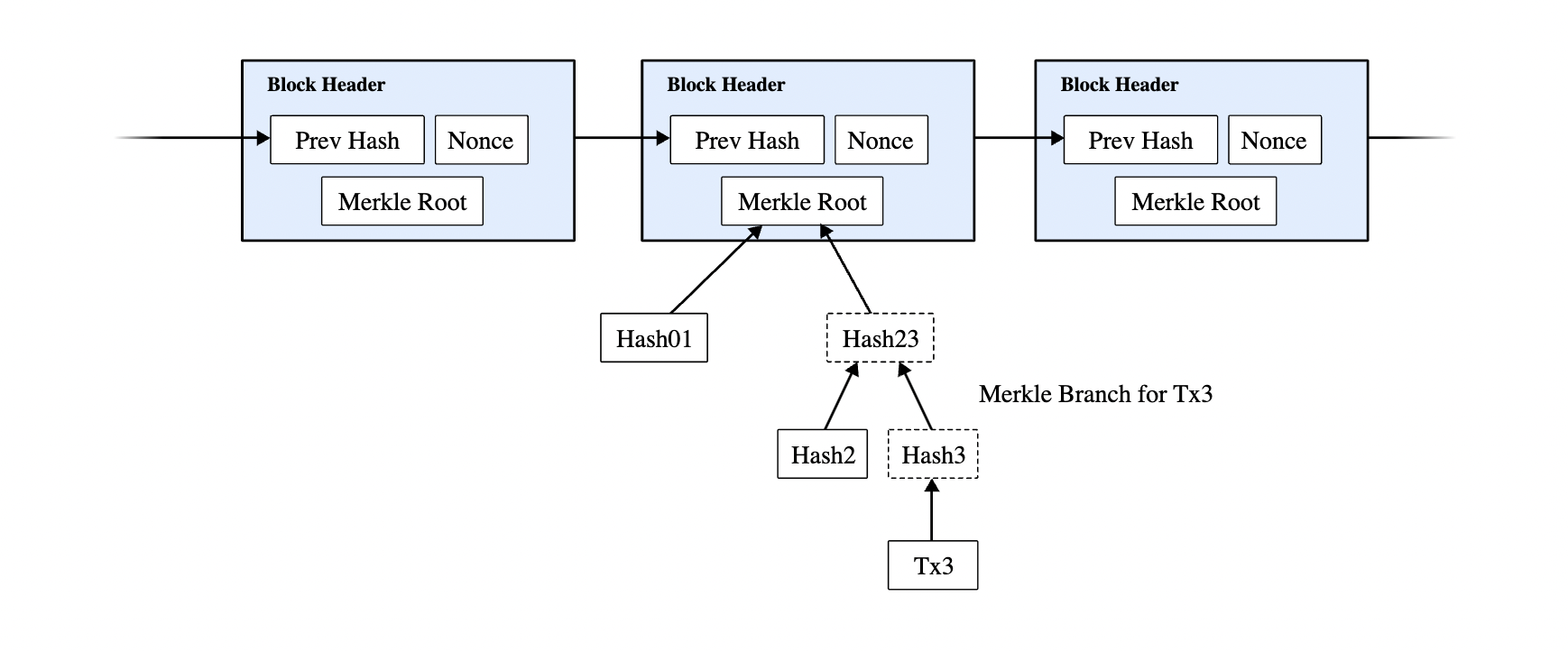
At the technical level, Taproot introduces several key changes. Schnorr signatures replace ECDSA, providing smaller, more efficient signatures that can be aggregated. Taproot uses a Merkle tree structure (MAST) to encode multiple spending conditions, revealing only the condition that was actually used. And Tapscript provides a more flexible scripting framework for future upgrades.
The result is that complex transactions – multisig, time-locked contracts, Lightning channel operations – look identical to simple single-signature transactions on the blockchain. This is a massive improvement in both privacy and efficiency.
Taproot and the Lightning Network
One of the most significant benefits of Taproot is its impact on the Lightning Network. Lightning channels can now use Taproot addresses, which means that channel opening and closing transactions look like regular transactions. This improves privacy for Lightning users and reduces the cost of opening channels.
Taproot also enables channel factories – a technique for creating multiple Lightning channels in a single on-chain transaction. This could dramatically reduce the cost of opening Lightning channels and improve the networks scalability. Channel factories work by creating a shared funding transaction that can be used to open multiple channels between different parties.
Taproot and Smart Contracts
Taproots MAST implementation enables more complex smart contracts on Bitcoin. Developers can create transactions with multiple spending conditions, only revealing the condition that was actually used. This enables escrow contracts, time-locked contracts, atomic swaps, and Discreet Log Contracts (DLCs) for derivatives and insurance.
DLCs are particularly interesting. They allow two parties to create a contract whose outcome depends on an external event (like a price movement), without revealing the terms of the contract to the blockchain. The oracle (the entity that reports the outcome) only needs to be involved if there is a dispute.
Taproot Adoption: The Numbers
Taproot adoption has grown steadily since activation. In the first year after activation, only about 10% of transactions used Taproot. By 2026, that number has grown to over 60%. The growth has been driven by wallet support (all major wallets now support Taproot), Lightning Network adoption, and the Ordinals protocol (which uses Taproot inscriptions).
The Ordinals protocol deserves special mention as a driver of Taproot adoption. Because Ordinals inscriptions are stored in Taproot witness data, the explosion of Ordinals activity in 2023-2024 significantly increased the percentage of Taproot transactions on the network.
What Comes After Taproot
Taproot has laid the foundation for the next generation of Bitcoin improvements. Graftroot would extend Taproot by allowing even more complex delegation of spending conditions. Cross-Input Signature Aggregation (CISA) would aggregate signatures across all inputs in a transaction, further reducing fees. And new script opcodes like OP_CAT could enable even more powerful smart contracts.
The Bitcoin development community is also exploring covenant proposals that would enable more sophisticated restrictions on how Bitcoin can be spent. These could enable vaults (a security feature that adds a time delay to spending), congestion control (which would help manage block space), and other advanced features.
Taproot is the most important Bitcoin upgrade since SegWit. Its not just about the immediate improvements – its about the foundation it creates for everything that comes next.
Bitcoin core developers
Learn more about Bitcoins protocol upgrades at bitcoin.org.
Taproot has fundamentally changed what is possible on Bitcoin. By improving privacy, efficiency, and programmability, it has laid the foundation for the next decade of Bitcoin innovation. The best is yet to come.
Learn more about Bitcoins protocol upgrades at bitcoin.org.
Taproot and Bitcoins Evolution
Taproot represents a new phase in Bitcoin’s evolution. The early years (2009-2017) were about establishing the basic protocol and building the infrastructure. The middle years (2017-2021) were about scaling through Layer-2 solutions. The current era (2021-present) is about enhancing the base layer through upgrades like Taproot.
This evolution reflects Bitcoin’s maturity. The basic protocol is now well-established and battle-tested. The focus has shifted from building the foundation to enhancing the capabilities. Taproot is the first major enhancement of this new era, and it lays the foundation for many more to come.
The Developer Ecosystem
The Bitcoin developer ecosystem has grown significantly. There are now hundreds of developers working on Bitcoin Core, and thousands more working on related projects. This growing developer base is essential for Bitcoin’s continued evolution.
Organizations like Brink, Chaincode Labs, and Spiral (formerly Blockstream) fund Bitcoin development, ensuring that the protocol continues to improve. This funding model – where multiple organizations contribute to development – helps ensure that Bitcoin remains decentralized and resistant to capture by any single entity.
What Comes Next
The roadmap for Bitcoin development includes several exciting proposals. Graftroot would extend Taproot by allowing even more complex delegation of spending conditions. Cross-Input Signature Aggregation (CISA) would aggregate signatures across all inputs in a transaction, further reducing fees. And new script opcodes like OP_CAT could enable even more powerful smart contracts.
Taproot has fundamentally changed what is possible on Bitcoin. By improving privacy, efficiency, and programmability, it has laid the foundation for the next decade of Bitcoin innovation. The best is yet to come.