
The Whitepaper That Changed Everything
On October 31, 2008, a person or group using the name Satoshi Nakamoto published a nine-page paper on a cryptography mailing list. The title was simple: Bitcoin: A Peer-to-Peer Electronic Cash System. The paper described a system for electronic transactions without relying on trust. It was, in many ways, the most important financial document of the 21st century.
Seventeen years later, that nine-page paper has spawned a global financial system with a market capitalization exceeding $2 trillion. The Bitcoin whitepaper is one of the most influential documents in the history of money, technology, and human civilization. Its impact extends far beyond finance into philosophy, politics, and human rights.
The Problem Satoshi Solved
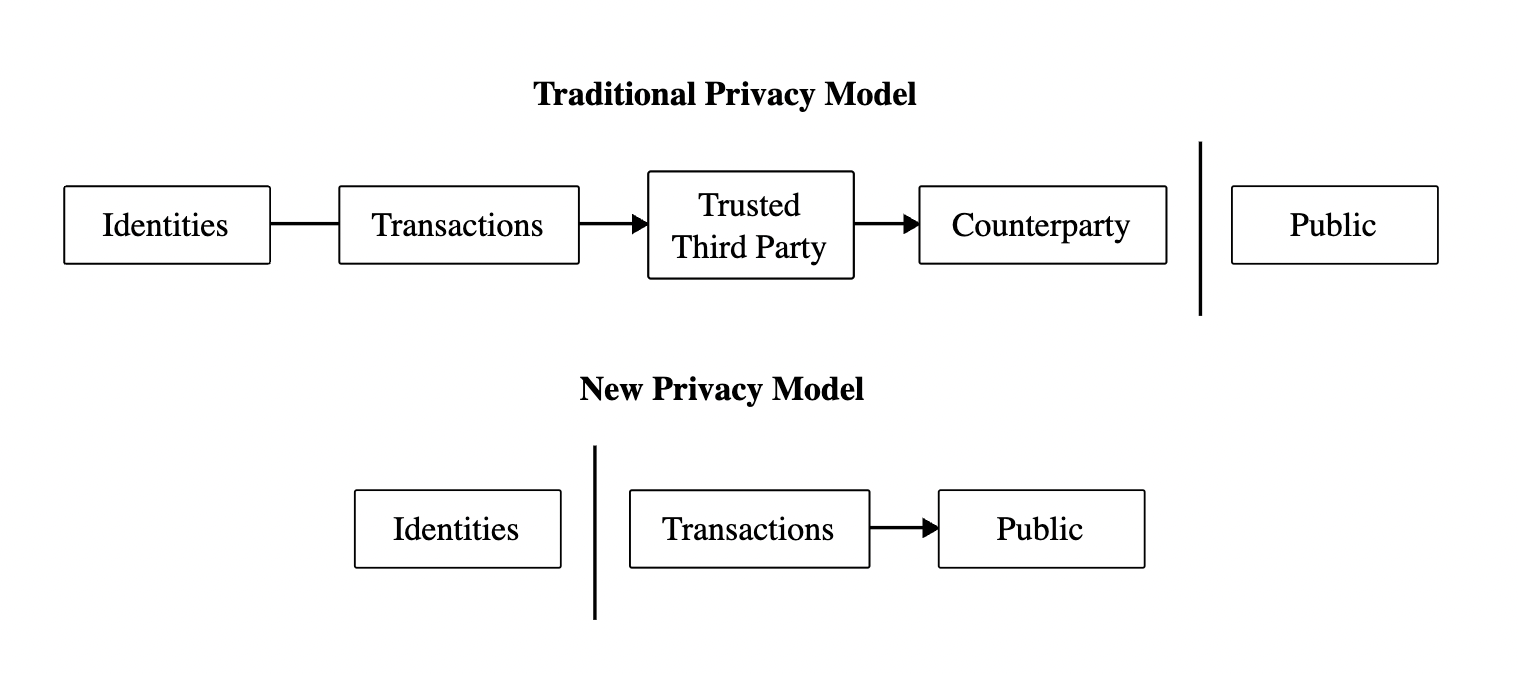
The whitepaper identified a fundamental problem with digital money: the double-spending problem. In a digital system, it is trivial to copy data, which means that a digital coin could be spent multiple times. The traditional solution was to use a trusted third party like a bank to verify transactions and prevent double-spending.
Satoshi’s solution was elegant and revolutionary: instead of trusting a third party, use a decentralized network of computers to verify transactions. Each computer maintains a copy of the entire transaction history, and transactions are verified through a process called proof-of-work. This eliminated the need for trust in any single entity.
The Whitepaper’s Key Insights
The whitepaper introduced several key concepts that were novel at the time. First, the blockchain: a chain of blocks, each containing a set of transactions, linked together by cryptographic hashes. This created an immutable record of all transactions that could not be altered without redoing all the proof-of-work.
Second, the incentive structure: miners are rewarded with newly created Bitcoin for verifying transactions. This aligned the interests of miners with the security of the network. Third, the difficulty adjustment: the proof-of-work difficulty adjusts every 2016 blocks to maintain a consistent block time, regardless of how much computing power is on the network.
The Whitepaper’s Enduring Relevance
What is remarkable about the Bitcoin whitepaper is how relevant it remains, 17 years after its publication. The problems it identified – the cost of mediation, the impossibility of reversible transactions, the need for trust in financial institutions – are just as relevant today as they were in 2008.
And the solution it proposed has proven to be remarkably resilient. Bitcoin has survived exchange hacks, government bans, market crashes, and countless predictions of its demise. It is now the best-performing asset of the 21st century, and its market capitalization exceeds that of most national currencies.
The Whitepaper’s Influence
The Bitcoin whitepaper has inspired thousands of other projects. Ethereum, Litecoin, and virtually every other cryptocurrency owes its existence to Satoshi’s work. The concept of a blockchain has been applied to supply chain management, voting systems, identity verification, and countless other use cases.
But none of these projects have replicated Bitcoin’s success. Bitcoin remains the largest, most secure, and most widely adopted cryptocurrency. This is because Bitcoin’s design is based on sound principles that have stood the test of time: decentralization, censorship resistance, and a fixed supply cap.
Celebrating Whitepaper Day
Every year on October 31, the Bitcoin community celebrates Whitepaper Day. It is a time to reflect on how far Bitcoin has come and to recommit to the principles that Satoshi outlined in those nine pages. If you have never read the whitepaper, or if it has been a while since you last read it, take some time to revisit it.
The whitepaper is a testament to the power of a good idea. Nine pages of text, published by an anonymous person on a cryptography mailing list, changed the world. That is the power of Bitcoin.
Read the original Bitcoin whitepaper at bitcoin.org.
The Whitepaper and Human Rights
Beyond its technical innovations, the Bitcoin whitepaper has had a profound impact on human rights. By enabling censorship-resistant transactions, Bitcoin provides a financial lifeline for people living under authoritarian regimes. In countries like Nigeria, Turkey, and Argentina, Bitcoin has been used to protect savings from government confiscation and to send money to family members when traditional banking channels are blocked or restricted.
The whitepaper vision of a peer-to-peer electronic cash system has become a reality for millions of people around the world who lack access to traditional banking. In the developing world, Bitcoin provides a way to store value, send money, and participate in the global economy without needing a bank account or government-issued identification.
The Whitepaper Legacy
The Bitcoin whitepaper has left a legacy that extends far beyond the technical details of its implementation. It has inspired a global movement of people who believe in sound money, financial freedom, and the power of decentralized systems. It has challenged the monopoly of central banks over money creation and has given individuals an alternative to government-controlled currencies.
The whitepaper has also inspired a new generation of developers, entrepreneurs, and thinkers who are building the decentralized future. From Ethereum to DeFi to NFTs, the entire blockchain industry owes its existence to the nine pages that Satoshi published on that Halloween night in 2008.
Reading the Whitepaper Today
If you have never read the Bitcoin whitepaper, or if it has been a while since you last read it, I encourage you to take some time to revisit it. The paper is remarkably concise and accessible, and reading it will give you a deeper understanding of the system that has changed the world. You can find the original paper at bitcoin.org, and there are many annotated versions available online that explain the technical details in plain language.
The whitepaper is a testament to the power of a good idea. Nine pages of text, published by an anonymous person on a cryptography mailing list, changed the world. That is the power of Bitcoin. And the best is yet to come, as the principles outlined in the whitepaper continue to inspire a global movement for sound money and financial freedom.
Conclusion
The Bitcoin whitepaper at 17 is more relevant than ever. The problems it identified are still with us, and the solution it proposed has proven to be remarkably resilient. As we look to the future, the principles outlined in the whitepaper – decentralization, censorship resistance, and sound money – will continue to guide the Bitcoin community and inspire a global movement for financial freedom.