
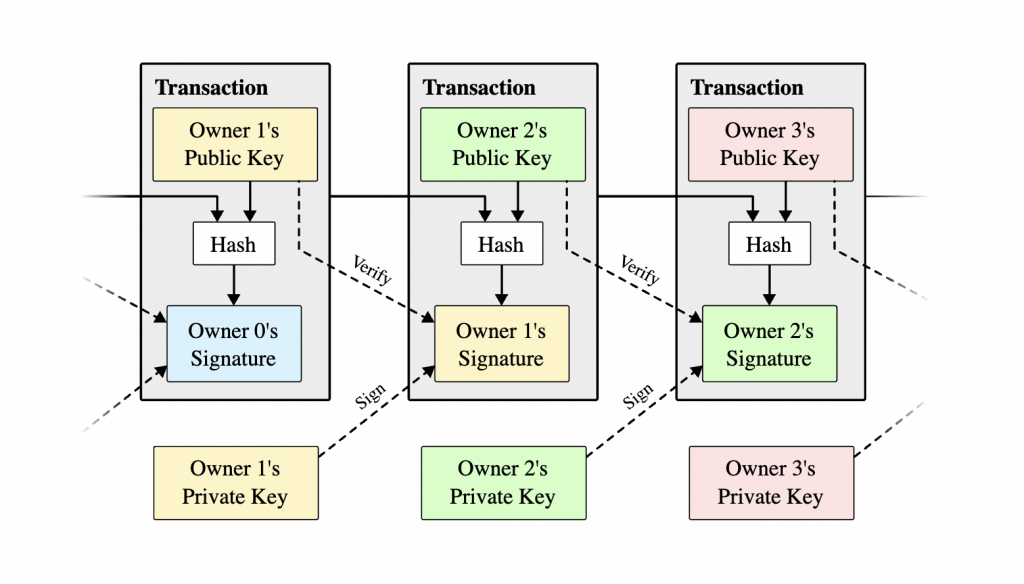
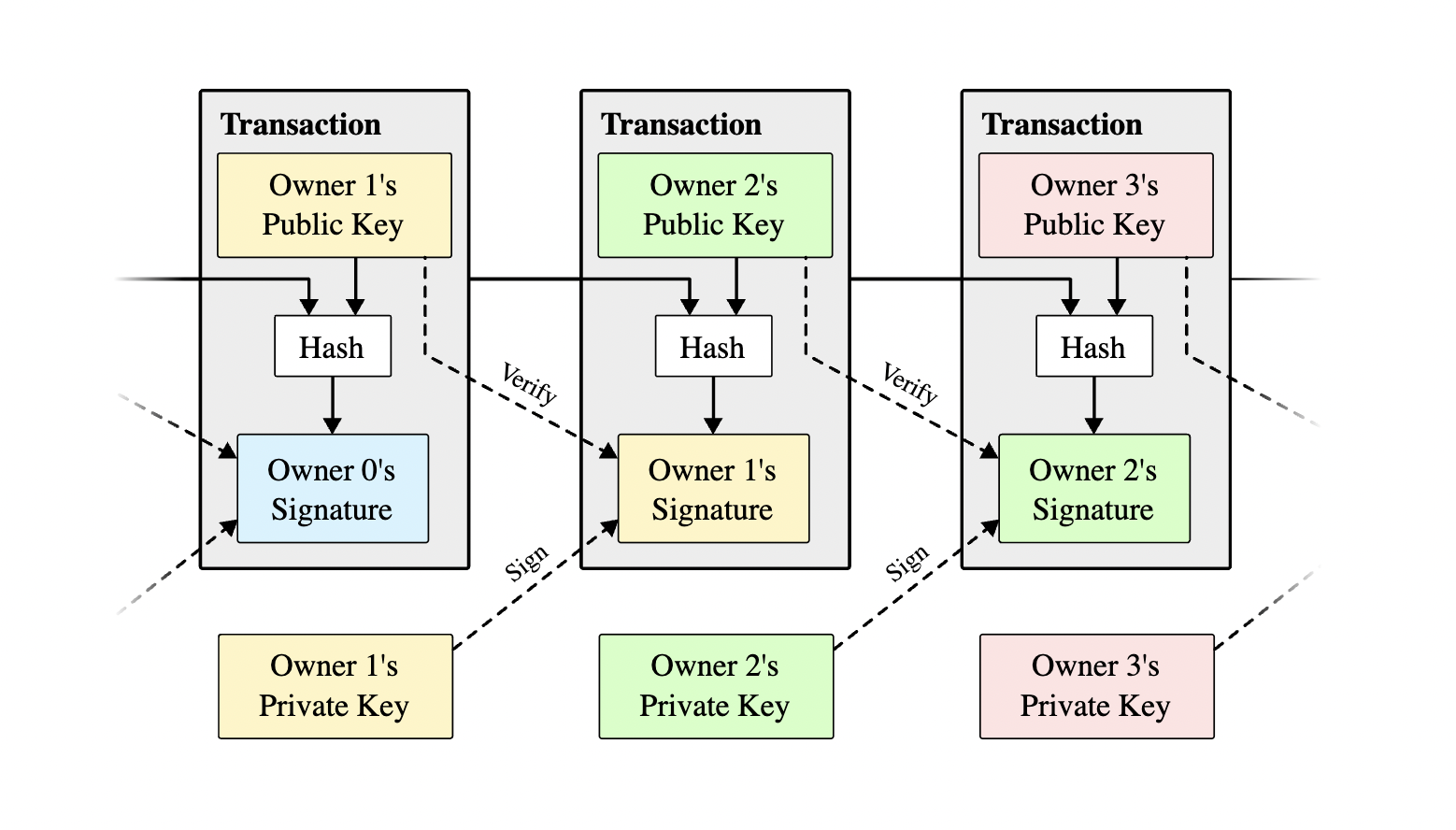
One of Bitcoins most revolutionary properties is its immutability – once a transaction is confirmed on the Bitcoin blockchain, it cannot be reversed, altered, or deleted. This permanent, tamper-proof record is what makes Bitcoin a trustworthy financial system without the need for trusted intermediaries. In a world where digital information can be copied and modified at will, Bitcoins immutable ledger is a genuine breakthrough.
What Does Immutable Mean?
Immutable means unchangeable. Once a Bitcoin transaction is included in a block and that block is confirmed by subsequent blocks, the transaction becomes a permanent part of the Bitcoin blockchain. No one – not a government, not a bank, not even Satoshi Nakamoto – can reverse or alter it.
This is fundamentally different from the traditional financial system. Banks can reverse transactions. Payment processors can freeze accounts. Governments can seize funds. In Bitcoin, once a transaction is confirmed, it is final.
How Immutability Is Achieved
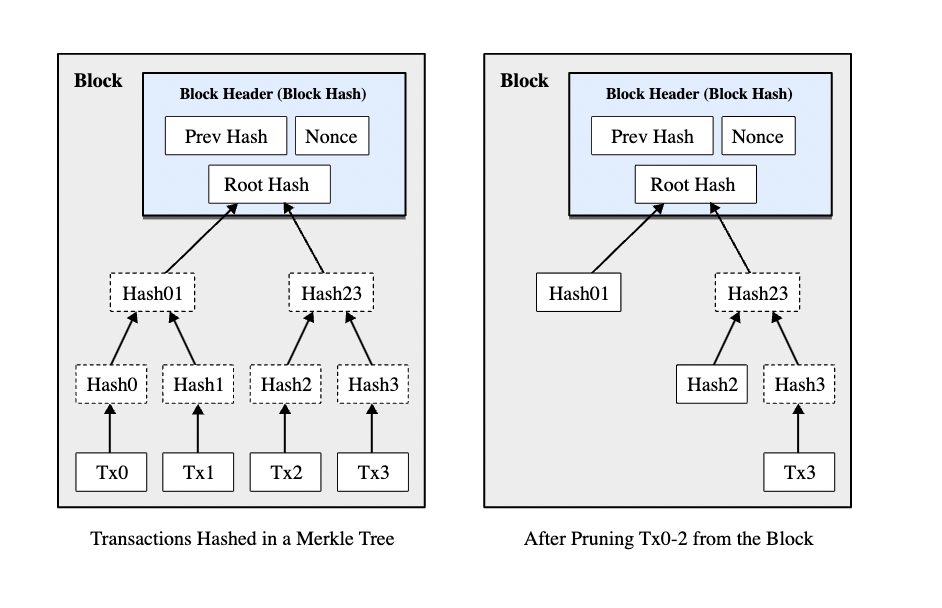
Bitcoins immutability is achieved through a combination of cryptographic hashing and proof-of-work. Each block in the blockchain contains a hash of the previous block, creating a chain of blocks that are cryptographically linked. To alter a transaction in a past block, an attacker would need to redo the proof-of-work for that block and every subsequent block – and do so faster than the rest of the network is adding new blocks.
This is computationally infeasible. The Bitcoin network has over 800 EH/s of hash power. An attacker would need to control more than 50% of this hash power to have any chance of altering the blockchain, and even then, they could only alter recent blocks (not ancient ones, which are buried under years of accumulated proof-of-work).
Why Immutability Matters
Trust
In the traditional financial system, trust is required at every level. You trust your bank to maintain accurate records. You trust payment processors to process transactions correctly. You trust governments not to devalue the currency. Bitcoin eliminates the need for trust by providing a verifiable, immutable record that anyone can check.
Finality
Bitcoin transactions are final. Once confirmed, they cannot be reversed. This is crucial for commerce – merchants can accept Bitcoin payments without worrying about chargebacks or disputes. It is also crucial for savings – your Bitcoin cannot be seized or frozen by any authority.
Transparency
The Bitcoin blockchain is completely transparent. Anyone can view any transaction, at any time, from any point in history. This transparency is a powerful tool for accountability and auditability. It also makes Bitcoin resistant to corruption – there is no way to hide transactions or manipulate records.
The Cost of Immutability
Immutability comes with a cost: if you make a mistake, you cannot undo it. If you send Bitcoin to the wrong address, the funds are lost forever. If you lose your private keys, your Bitcoin is gone. This is why the Bitcoin community emphasizes the importance of careful key management and transaction verification.
The irreversibility of Bitcoin transactions is a feature, not a bug. It is what makes Bitcoin a truly decentralized financial system – there is no authority that can reverse transactions, because no authority is needed.
Immutability vs. Other Blockchains
Not all blockchains are truly immutable. Some have been reversed after hacks or exploits (most notably Ethereum after the DAO hack in 2016). Others have centralized governance that can alter the blockchain. Bitcoin has never been reversed, and its decentralized governance makes it extremely resistant to any such attempt.
The blockchain is the biggest innovation in the Bitcoin system. The ability to create an immutable, decentralized ledger is what makes everything else possible.
Bitcoin developers
The Permanent Record
Every Bitcoin transaction ever made is recorded on the blockchain, from the genesis block in 2009 to the most recent block. This permanent record is a testament to the power of decentralized systems – a financial ledger that no one controls, no one can alter, and everyone can verify.
In a world of increasing digital manipulation, Bitcoins immutable ledger is a beacon of truth. It is a record that cannot be changed, cannot be censored, and cannot be destroyed.
Learn more about Bitcoins blockchain technology at bitcoin.org.
Immutability and the Law
Bitcoins immutability has significant legal implications. In the traditional financial system, courts can order banks to reverse transactions or freeze accounts. With Bitcoin, this is impossible. Once a transaction is confirmed, no court order, no government decree, and no institutional decision can reverse it.
This has both positive and negative implications. On the positive side, it protects individuals from government overreach and financial censorship. On the negative side, it means that victims of fraud or theft have no recourse – if Bitcoin is stolen, it cannot be recovered through legal means.
Some jurisdictions have begun to develop legal frameworks for Bitcoin. Courts have ruled that Bitcoin is property (in most jurisdictions), which means it can be subject to inheritance law, tax law, and contract law. But the fundamental immutability of the blockchain remains unchanged.
The Social Layer
While the Bitcoin protocol itself is immutable, the social layer around it is not. The Bitcoin community can (and has) changed the protocol through soft forks and hard forks. The key is that these changes require broad consensus – they cannot be imposed by a single entity.
This social layer is what makes Bitcoin resilient. The protocol can evolve in response to new challenges (like the quantum computing threat) while maintaining its core properties of decentralization, censorship resistance, and immutability.
Learn more about Bitcoins blockchain technology at bitcoin.org.
Immutability in Practice
Consider a real-world example: in 2010, a Bitcoin developer named Laszlo Hanyecz paid 10,000 Bitcoin for two pizzas. That transaction is still visible on the blockchain today, over 15 years later. It cannot be reversed, altered, or deleted. It is a permanent part of Bitcoins history.
Or consider the 2014 Mt. Gox hack, where 850,000 Bitcoin were stolen. Those theft transactions are also permanently recorded on the blockchain. While the stolen coins can be tracked, the transactions themselves cannot be reversed. This is the double-edged sword of immutability: it protects the integrity of the system, but it also means that mistakes and thefts are permanent.
The Social Consensus Layer
While the Bitcoin protocol itself is immutable, the social consensus around it is not. The Bitcoin community can change the protocol through soft forks and hard forks. The key is that these changes require broad consensus.
This social layer is what makes Bitcoin resilient. The protocol can evolve in response to new challenges while maintaining its core properties of decentralization, censorship resistance, and immutability.
Learn more about Bitcoins blockchain at bitcoin.org.