

The cryptocurrency landscape is dominated by two very different types of assets: Bitcoin, the original decentralized digital currency, and stablecoins like USDT and USDC, which are pegged to traditional fiat currencies. While stablecoins have grown enormously in market capitalization and usage – with over $200 billion in circulation by 2026 – they represent a fundamentally different and ultimately inferior form of digital money compared to Bitcoin.
What Are Stablecoins?
Stablecoins are cryptocurrencies designed to maintain a stable value relative to a reference asset, usually the US dollar. The largest stablecoins are:
- USDT (Tether): The largest stablecoin by market cap (over $120 billion), issued by Tether Limited. Backed by a mix of cash, Treasury bills, and other assets
- USDC: Issued by Circle, known for its regulatory compliance and transparency. Backed 1:1 by cash and short-term US Treasuries
- DAI: A decentralized stablecoin backed by crypto collateral on MakerDAO. Maintains its peg through over-collateralization and automated liquidation
- FDUSD, PYUSD, and others: Newer entrants from various issuers, including PayPal’s PYUSD which has grown rapidly
Stablecoins serve an important function in the crypto ecosystem. They provide a way to move in and out of volatile crypto positions without converting back to fiat, enable fast and cheap transfers, and serve as the primary trading pair on most exchanges. They are the “dollar” of the crypto world.
The Centralization Problem
Here is the fundamental issue: stablecoins are centralized. They are issued by companies that hold reserves, comply with regulations, and can freeze or blacklist addresses. This means that when you hold USDT or USDC, you are trusting a corporation to maintain adequate reserves, honor your right to redeem tokens for dollars, not freeze or confiscate your funds, and comply with government orders to block transactions.
This is not hypothetical. Tether and Circle have both frozen addresses at the request of law enforcement. In 2022, Circle blacklisted approximately $3.6 million in USDC at the direction of US authorities. Tether has frozen addresses linked to sanctions violations. If your stablecoin is frozen, there is nothing you can do.
Bitcoin: Truly Decentralized Money
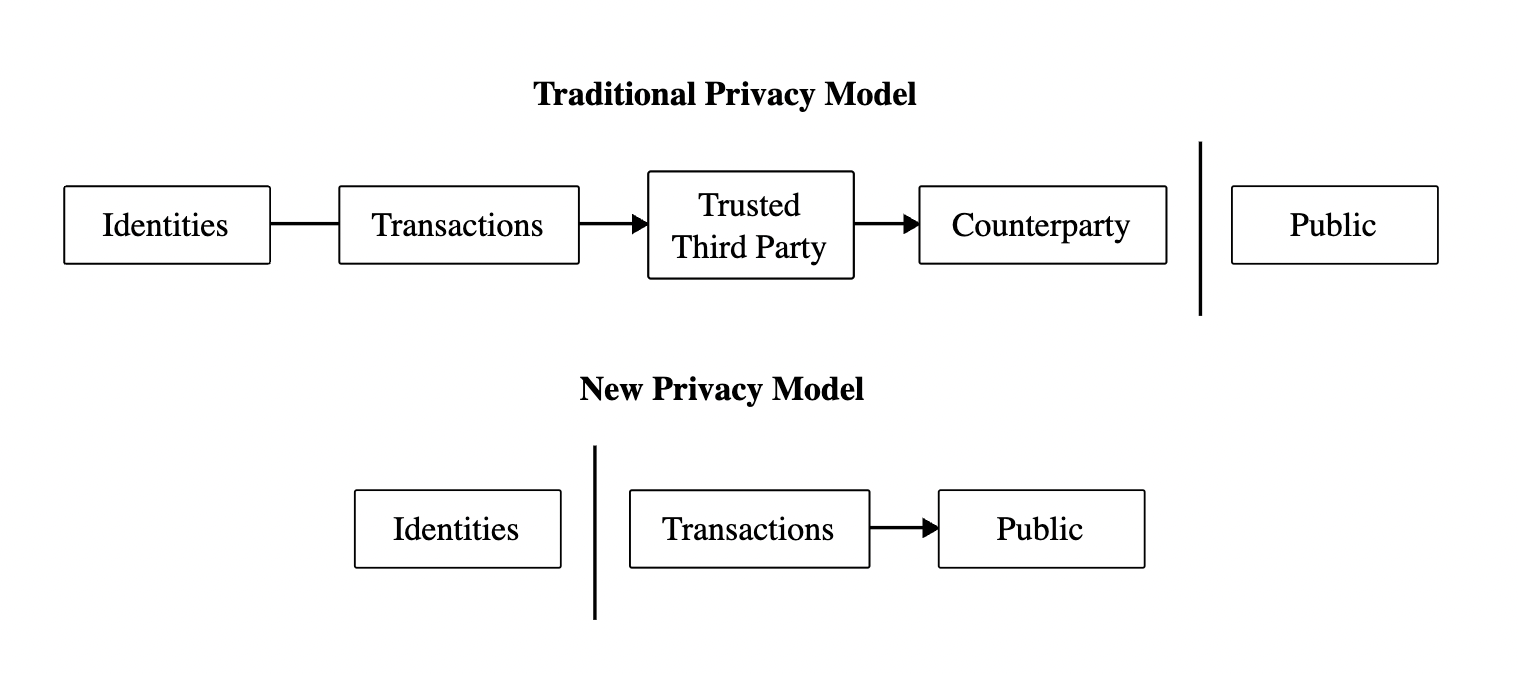
Bitcoin operates on completely different principles. No company controls Bitcoin. No government can freeze your Bitcoin. No central authority can change the rules or confiscate your funds. This is not a bug – it is the entire point.
When you hold Bitcoin in your own wallet, you have absolute ownership. No one can prevent you from sending it, receiving it, or holding it. This property, called censorship resistance, is what makes Bitcoin revolutionary.
The Inflation Problem
Stablecoins are pegged to fiat currencies, which means they inherit fiat’s biggest weakness: inflation. The US dollar has lost over 96% of its purchasing power since 1913. If you hold USDT or USDC, you are exposed to this same debasement. Your “stable” coins are steadily losing purchasing power.
Bitcoin, by contrast, has a fixed supply of 21 million coins. No more can ever be created. This absolute scarcity means that Bitcoin’s purchasing power tends to increase over time as demand grows against a fixed supply. While Bitcoin is volatile in the short term, its long-term trend has been one of significant appreciation against fiat currencies.
CBDCs: The Stablecoin Endgame
Central bank digital currencies (CBDCs) represent the government’s answer to stablecoins. Unlike USDT or USDC, CBDCs are issued directly by central banks and carry the full weight of state power. China’s digital yuan is already in circulation with over $1 trillion in transactions. The European Central Bank is developing a digital euro. The Federal Reserve is researching a digital dollar.
CBDCs are stablecoins with extra features: programmable money that can expire, spending restrictions based on government policy, and complete transaction surveillance. They represent the antithesis of Bitcoin’s decentralized, permissionless design.
If you want to see the future of stablecoins, look at CBDCs. Now ask yourself: do you want your money to have an expiration date and spending restrictions?
Bitcoin privacy advocates
Why Bitcoin Wins
Stablecoins have their place in the crypto ecosystem, particularly for trading and short-term transactions. But as a long-term store of value, they cannot compete with Bitcoin. The comparison is stark:
| Property | Bitcoin | Stablecoins |
|---|---|---|
| Decentralization | Fully decentralized | Centralized (company-issued) |
| Censorship resistance | Cannot be frozen | Can be frozen/blacklisted |
| Supply | Fixed (21M max) | Inflationary (pegged to fiat) |
| Privacy | Pseudonymous | KYC/AML required |
| Counterparty risk | None (self-custody) | Issuer risk |
| Long-term value | Appreciates vs fiat | Depreciates with fiat inflation |
| Permissionless | Anyone can use | Requires KYC/approval |
The Choice Is Clear
The choice between Bitcoin and stablecoins is ultimately a choice between trusting corporations and governments, or trusting mathematics and code. For those who value financial sovereignty, the answer is clear.
Use stablecoins for what they are good for: short-term trading, quick transfers, and temporary parking of funds. But for long-term savings, wealth preservation, and financial freedom, there is only one choice: Bitcoin.
Discover why Bitcoin’s decentralized design matters at bitcoin.org.
The Stablecoin Regulatory Landscape
Stablecoins have become a major focus of regulators worldwide. The EU MiCA regulation requires stablecoin issuers to maintain full reserves and obtain licenses. The US has proposed similar legislation. These regulations could actually benefit Bitcoin by pushing users toward decentralized alternatives.
The key question is whether stablecoins will complement or compete with Bitcoin. In the short term, stablecoins provide an easy on-ramp for new users. In the long term, Bitcoin offers something stablecoins cannot: a truly decentralized, censorship-resistant form of money that no government can control.
Learn more about Bitcoin at bitcoin.org.
The Tether Controversy
No discussion of stablecoins is complete without addressing Tether (USDT), the largest stablecoin by market capitalization. Tether has been plagued by controversy since its inception, with questions about whether it is truly backed 1:1 by US dollars. In 2021, Tether settled with the New York Attorney General for $18.5 million after an investigation found that Tether had misrepresented its reserves.
Despite these controversies, Tether remains the most widely used stablecoin, with a market capitalization exceeding $100 billion. It is particularly popular in developing countries, where it provides access to the US dollar without requiring a bank account.
Algorithmic Stablecoins: The Cautionary Tale
The collapse of TerraUSD (UST) in May 2022 serves as a cautionary tale about algorithmic stablecoins. UST maintained its peg through an arbitrage mechanism with its sister token LUNA, rather than through actual dollar reserves. When confidence in the system wavered, a death spiral ensued: UST lost its peg, LUNA was printed in massive quantities to try to restore it, and both tokens collapsed to near zero.
The UST collapse wiped out over $40 billion in value and contributed to the broader crypto market crash of 2022. It demonstrated the risks of algorithmic stablecoins and reinforced the importance of transparent, fully-backed reserves.
Stablecoins and Financial Inclusion
Despite the risks, stablecoins have the potential to improve financial inclusion. In countries with unstable currencies, stablecoins provide a way to store value in a stable asset (the US dollar) without requiring a bank account. In countries with capital controls, stablecoins provide a way to move money across borders.
The key challenge is ensuring that stablecoins are properly regulated to protect consumers while preserving their benefits. The EU MiCA regulation and proposed US stablecoin legislation are steps in this direction, but the regulatory landscape remains uncertain.
Learn more about Bitcoin at bitcoin.org.