
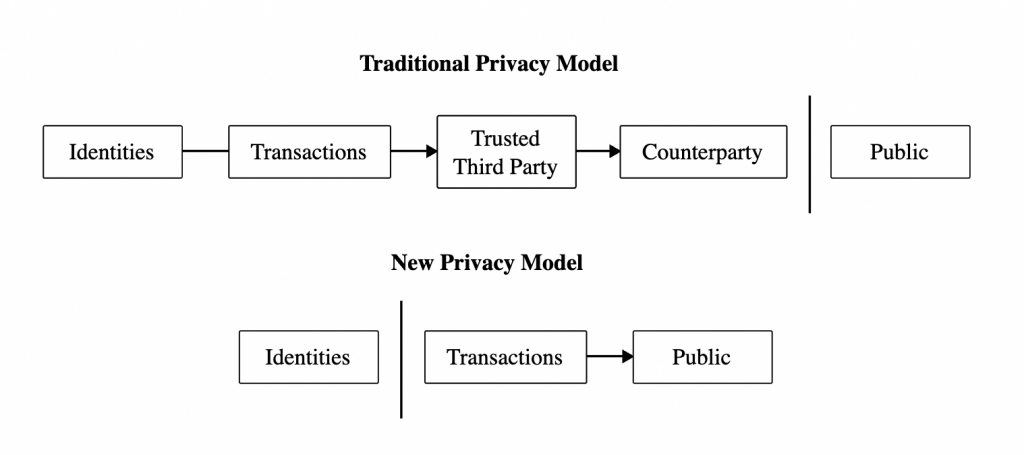
One of the first things you need to understand about Bitcoin is how to store it. Unlike traditional money that sits in a bank account, Bitcoin exists on a blockchain – a distributed ledger maintained by thousands of computers worldwide. What you actually “hold” when you own Bitcoin is a private key: a secret number that proves you own the Bitcoin associated with a particular address.
A Bitcoin wallet is a tool that manages these private keys for you. It creates addresses, signs transactions, and keeps track of your balance. But not all wallets are created equal. Understanding the different types of wallets and their trade-offs is essential for anyone who owns Bitcoin.
How Bitcoin Wallets Actually Work
Despite the name, a Bitcoin wallet does not actually “contain” Bitcoin. Your Bitcoin exists as entries on the blockchain. What the wallet holds is your private key – the cryptographic proof that allows you to spend Bitcoin associated with your address.
Think of it this way: the blockchain is like a massive safe deposit vault. Your Bitcoin is in a box with your name on it. Your private key is the key to that box. Your wallet is the keychain that holds your key and helps you find your box.
Types of Bitcoin Wallets
Hot Wallets (Software Wallets)
Hot wallets are software applications connected to the internet. They are convenient for everyday use and small amounts of Bitcoin.
- Mobile wallets: Apps like BlueWallet, Muun, or Phoenix that run on your smartphone. Great for small amounts and Lightning Network payments.
- Desktop wallets: Applications like Sparrow, Electrum, or Bitcoin Core that run on your computer. More feature-rich than mobile wallets.
- Web wallets: Browser-based wallets. Convenient but generally less secure because your keys may be stored on a server.
Cold Wallets (Hardware Wallets)
Cold wallets are physical devices that store your private keys offline. They are the gold standard for securing significant amounts of Bitcoin.
- Hardware wallets: Devices like Coldcard, BitBox02, Trezor, or SeedSigner that store keys in a secure chip. They sign transactions offline, so your keys never touch the internet.
- Air-gapped wallets: Computers or devices that have never been connected to the internet, used exclusively for signing Bitcoin transactions.
Custodial Wallets
When you buy Bitcoin on an exchange like Coinbase or Kraken, the exchange holds the private keys for you. This is a custodial wallet – you are trusting a third party to secure your Bitcoin. It is convenient but introduces counterparty risk. If the exchange is hacked, goes bankrupt, or freezes your account, you could lose your Bitcoin.
The Seed Phrase: Your Master Key
Modern Bitcoin wallets use a standard called BIP39, which generates a seed phrase – typically 12 or 24 words – that can recover all your private keys. This seed phrase is the master backup for your entire wallet.
Critical rules for seed phrases:
- Write it down on paper or stamp it in metal. Never store it digitally.
- Never share it with anyone. Anyone with your seed phrase can steal your Bitcoin.
- Store it in a secure location – a safe, a safety deposit box, or a well-hidden location.
- Consider a multi-location backup in case of fire, flood, or theft.
- Test your backup by restoring your wallet before sending significant amounts.
Not Your Keys, Not Your Coins
This phrase is one of the most important mantras in the Bitcoin community. It means that if you do not control your private keys, you do not truly own your Bitcoin. You are trusting someone else to hold it for you – and history has shown that this trust can be misplaced.
The collapses of Mt. Gox (2014), FTX (2022), and numerous other exchanges have demonstrated that custodial risk is real. When you hold your own keys, you are not trusting a company, a CEO, or a government. You are trusting math.
Multisig: Advanced Security
For large amounts of Bitcoin, many users and organizations use multisignature (multisig) wallets. These require multiple private keys to authorize a transaction – for example, 2-of-3 keys. This means:
- A single compromised key cannot steal your Bitcoin
- A single lost key cannot lock you out
- You can distribute keys across different locations and devices
Multisig is used by companies, exchanges, and serious Bitcoin holders. Services like Unchained Capital and Casa make it easier to set up and manage multisig wallets.
Choosing the Right Wallet
The best wallet depends on your situation:
- New to Bitcoin: Start with a mobile wallet like BlueWallet or Muun. Keep small amounts while you learn.
- Regular spending: A Lightning wallet like Phoenix or Breez for fast, cheap payments.
- Long-term savings: A hardware wallet like Coldcard or BitBox02. This is your “savings account.”
- Large holdings: A multisig setup with geographically distributed keys.
The Bottom Line
Your wallet is your connection to the Bitcoin network. Choosing the right one and securing it properly is the most important thing you can do as a Bitcoin holder. Take the time to understand how your wallet works, back up your seed phrase, and never share your private keys with anyone. In Bitcoin, you are your own bank – and with that freedom comes responsibility.