

When people think of smart contracts, they usually think of Ethereum. But Bitcoin has always had smart contract capabilities – they are just more limited and less well-known. In 2025 and 2026, a new generation of Bitcoin smart contract platforms is emerging, bringing decentralized finance, NFTs, and complex programmable logic to Bitcoin without changing its base layer.
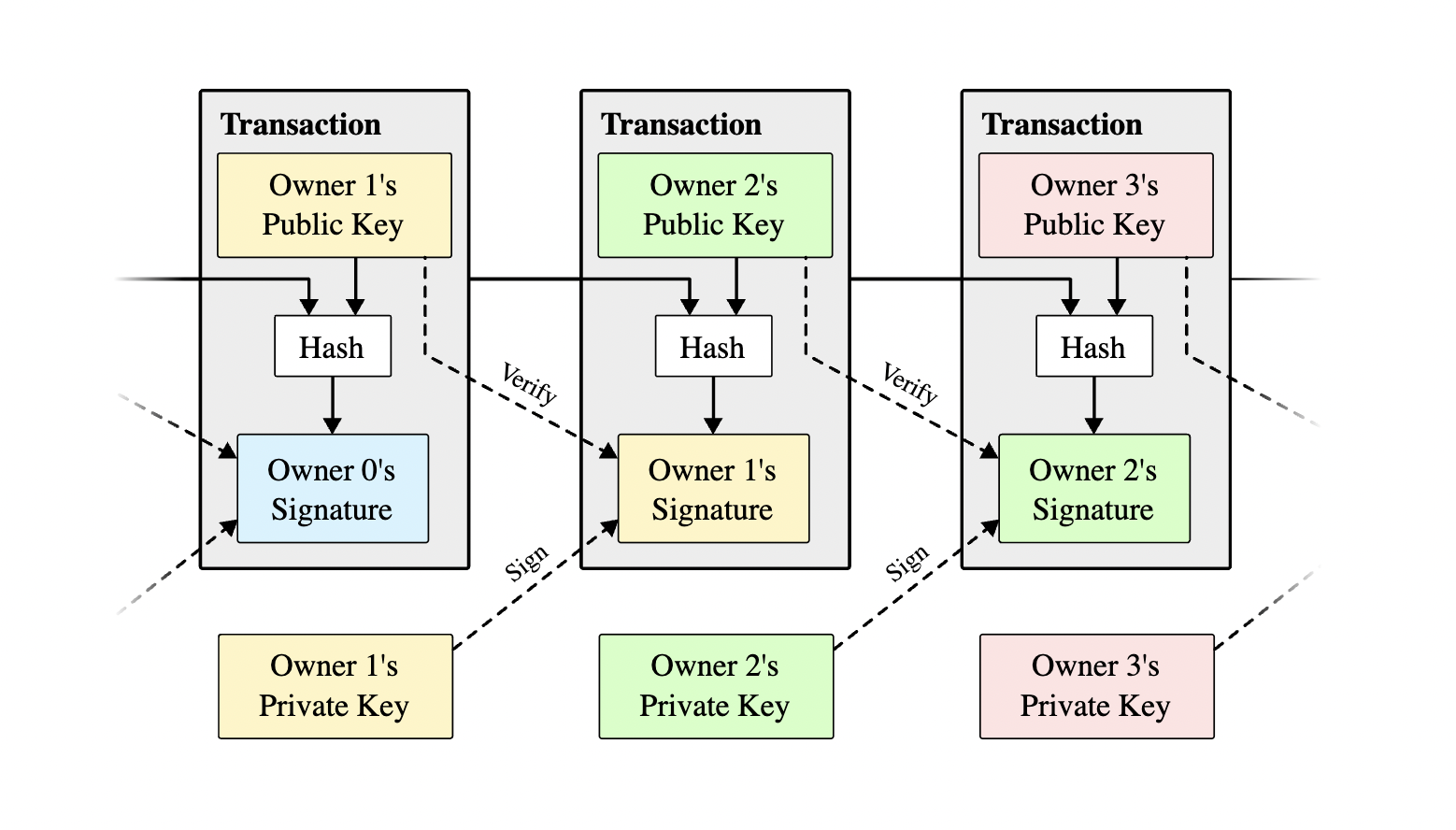
Bitcoins Built-In Smart Contract Capabilities
Bitcoins scripting language, Script, is intentionally limited for security reasons. It does not support loops or complex state changes, which prevents the kind of bugs that have plagued Ethereum smart contracts. But Script supports multi-signature transactions, time-locked transactions, hash-locked transactions, and complex combinations of these.
These capabilities power the Lightning Network (which uses hash-locked contracts), atomic swaps (which enable trustless cross-chain trading), and various escrow and custody solutions. But for more complex applications, Bitcoin needs additional layers.
Stacks: Smart Contracts on Bitcoin
Stacks is a Layer-1 blockchain that settles on Bitcoin using Proof of Transfer (PoX) consensus. It enables smart contracts written in Clarity, a decidable programming language designed for security. Key features include Bitcoin settlement, sBTC (a 1:1 Bitcoin-backed asset for DeFi), and a growing ecosystem of DeFi applications.
The Nakamoto upgrade brought faster block times and enhanced Bitcoin finality. Projects like ALEX (decentralized exchange), Arkadiko (lending protocol), and various NFT marketplaces have built on Stacks.
RSK: Bitcoins First Smart Contract Sidechain
RSK is a Bitcoin sidechain that enables smart contracts written in Solidity. It uses merge-mining, meaning Bitcoin miners can mine RSK blocks simultaneously without additional work. RSK offers EVM compatibility, RBTC (a 1:1 Bitcoin-backed asset), faster transactions (30-second blocks), and lower fees than Ethereum.
BitVM: Smart Contracts Without Changing Bitcoin
BitVM, proposed by Robin Linus in 2023, enables arbitrary Turing-complete computation on Bitcoin without any consensus changes. It works by executing computations off-chain and using Bitcoins existing script capabilities to verify the results through a challenge-response protocol.
BitVM enables arbitrary smart contracts, trust-minimized Bitcoin bridges, and complex DeFi logic – all without changing Bitcoins base protocol. It is still in development but has the potential to be a game-changer for Bitcoin DeFi.

The Future of Bitcoin Smart Contracts
The convergence of Stacks, RSK, BitVM, and other Layer-2 solutions is creating a vibrant smart contract ecosystem on Bitcoin. Unlike Ethereum, which prioritizes programmability at the base layer, Bitcoin takes a layered approach: the base layer remains simple and secure, while additional layers provide programmability.
The future of Bitcoin is not just digital gold – it is a full-featured financial platform that combines the security and decentralization of Bitcoin with the programmability of smart contracts.
Learn more about Bitcoins capabilities at bitcoin.org.
BitVM2: The Next Evolution
BitVM2, the successor to the original BitVM proposal, simplifies the protocol and reduces the amount of on-chain data required. It uses a optimistic rollup-like approach where computations are executed off-chain and only disputed results are verified on-chain. This makes BitVM more practical and efficient.
BitVM2 could enable a new generation of Bitcoin applications, including decentralized exchanges, lending protocols, and even complex financial derivatives – all secured by Bitcoins base layer without any consensus changes.
Bitcoin DeFi Protocols
The Bitcoin DeFi ecosystem has matured significantly. ALEX Lab is the leading DEX on Stacks, offering swapping, lending, and yield farming. Sovryn on RSK provides a comprehensive DeFi platform with trading, lending, and margin trading. On the Lightning Network, protocols like LN Markets offer perpetual futures trading.
Newer protocols are pushing the boundaries further. Bitflow on Stacks provides concentrated liquidity trading similar to Unisv3. Zest Protocol enables Bitcoin-native lending. And various projects are building Bitcoin-backed stablecoins that can be used across the DeFi ecosystem.
The Bitcoin Layer-2 Landscape
Beyond Stacks and RSK, the Bitcoin Layer-2 landscape includes several other approaches. Liquid Network, developed by Blockstream, is a federated sidechain that enables fast, confidential transactions. Rootstock (RSK) continues to grow its EVM-compatible ecosystem. And new projects are exploring zero-knowledge proofs for Bitcoin scaling.
The diversity of approaches reflects Bitcoins philosophy of experimentation at the layers above the base protocol. The base layer remains simple and secure, while innovation happens at higher layers. This layered approach gives Bitcoin the best of both worlds: unmatched security and growing programmability.
Learn more about Bitcoins capabilities at bitcoin.org.
Bridges and Interoperability
One of the most important developments in the Bitcoin ecosystem is the emergence of trust-minimized bridges between Bitcoin and other blockchains. These bridges allow Bitcoin to be used on other chains (like Ethereum, Solana, or Cosmos) while maintaining the security guarantees of Bitcoins base layer.
Projects like Threshold (tBTC), Interlay (interBTC), and various BitVM-based bridges are creating ways to use Bitcoin in DeFi applications on other chains without trusting a centralized custodian. This interoperability is crucial for Bitcoins role in the broader crypto ecosystem.
Learn more about Bitcoins capabilities at bitcoin.org.
The Bitcoin DeFi Ecosystem
The Bitcoin DeFi ecosystem has grown rapidly. On Stacks, ALEX Lab has become the leading decentralized exchange, with millions of dollars in daily trading volume. Sovryn on RSK offers lending, borrowing, and margin trading. And on the Lightning Network, protocols like LN Markets offer perpetual futures trading.
New protocols are emerging that push the boundaries of what is possible on Bitcoin. Zest Protocol enables Bitcoin-native lending, allowing users to earn interest on their Bitcoin without giving up custody. Bitflow on Stacks provides concentrated liquidity trading similar to Uniswap v3. And various projects are building Bitcoin-backed stablecoins.
The Layer-2 Landscape
The Bitcoin Layer-2 landscape is diverse and rapidly evolving. In addition to Stacks and RSK, there are several other approaches to scaling Bitcoin. Liquid Network, developed by Blockstream, is a federated sidechain that enables fast, confidential transactions. Fedimint is a community custody protocol that uses federated Chaumian eCash. And new projects are exploring zero-knowledge proofs for Bitcoin scaling.
This diversity of approaches reflects Bitcoin’s philosophy of experimentation at the layers above the base protocol. The base layer remains simple and secure, while innovation happens at higher layers. This layered approach gives Bitcoin the best of both worlds: unmatched security and growing programmability.
The Future of Bitcoin DeFi
The future of Bitcoin DeFi is bright. As the infrastructure matures and more developers build on Bitcoin, we can expect to see a growing ecosystem of decentralized financial applications. The key challenge is to build these applications in a way that is consistent with Bitcoin’s values: decentralized, censorship-resistant, and secure.
Bitcoin DeFi has the potential to bring financial services to billions of people who are currently excluded from the traditional financial system. By building on Bitcoin’s secure base layer, DeFi applications can offer the benefits of decentralized finance without the risks of centralized intermediaries.
Learn more about Bitcoins capabilities at bitcoin.org.