
Bitcoin and the New Monetary Order
The rise of Bitcoin is reshaping the global balance of power in ways that were unimaginable just a decade ago. As nations grapple with the implications of a decentralized, borderless currency, the geopolitical landscape is being fundamentally altered. The US dollar dominance as the world reserve currency is being challenged for the first time in modern history by a truly neutral alternative that no single nation controls.
At the heart of this transformation is the concept of monetary sovereignty. For decades, the US dollar has served as the world reserve currency, giving the United States enormous economic and political power through the ability to print money and impose sanctions on other nations. Bitcoin challenges this status quo by offering an alternative that is not controlled by any single nation, government, or central bank.
Nation-State Adoption
The most significant geopolitical development in the Bitcoin space has been the adoption of Bitcoin by nation-states. In September 2021, El Salvador became the first country to adopt Bitcoin as legal tender. Despite criticism from the IMF and World Bank, El Salvador has continued to accumulate Bitcoin, and other nations are watching closely to see how this experiment unfolds over time.
The Central African Republic followed suit in 2022, though it later reversed its decision. More importantly, countries like the United Arab Emirates, Singapore, and Switzerland have created regulatory frameworks that attract Bitcoin businesses and investment. These nations are positioning themselves as leaders in the digital economy of the future.
Bitcoin and Sanctions
Bitcoin censorship-resistant nature has made it a tool for nations facing US sanctions. Iran, Russia, and Venezuela have all explored Bitcoin as a way to bypass the dollar-based financial system. While the scale of this activity is still relatively small, it represents a fundamental challenge to the dollar dominance in international trade and finance.
The US government has responded by increasing enforcement against crypto transactions that violate sanctions. But the decentralized nature of Bitcoin makes it difficult to control, and the cat-and-mouse game between regulators and users continues to evolve. Chain analysis companies have emerged to track Bitcoin transactions, but privacy tools like CoinJoin make this tracking increasingly difficult.
The Multipolar World
The world is moving from a unipolar dollar-dominated system to a multipolar world with multiple reserve currencies. China is promoting the yuan, Russia is exploring alternatives to the dollar, and the BRICS nations are discussing common settlement mechanisms. In this multipolar world, Bitcoin has a unique role to play as a truly neutral reserve asset that no single nation can control.
Unlike the dollar, yuan, or euro, Bitcoin is not controlled by any single nation. This makes it an ideal settlement asset for international trade between nations that do not trust each other currencies. A Russian company selling oil to India, for example, could settle in Bitcoin rather than choosing between the dollar and the yuan.
Bitcoin and Energy Independence
Bitcoin mining is also contributing to energy independence around the world. By converting stranded energy resources like flared natural gas or excess renewable power into a liquid, transferable asset, Bitcoin mining allows energy-rich nations to monetize their resources without relying on the dollar-based financial system.
Venezuela, Iran, and Russia have all explored Bitcoin mining as a way to bypass the dollar system and convert their natural resources into a global, liquid asset. The ability to convert energy directly into a store of value is a game-changing development for energy-rich but cash-poor nations.
The New Financial Order
The new financial order that is emerging is one where Bitcoin plays an increasingly important role. As the dollar dominance wanes and the world becomes more multipolar, Bitcoin offers a neutral, censorship-resistant alternative that no single nation can control. Nations that embrace Bitcoin early will be better positioned in this new order.
The geopolitical implications of Bitcoin are profound, and they will continue to unfold in the years and decades ahead. Understanding Bitcoin is no longer just a matter of financial literacy – it is a matter of geopolitical literacy.
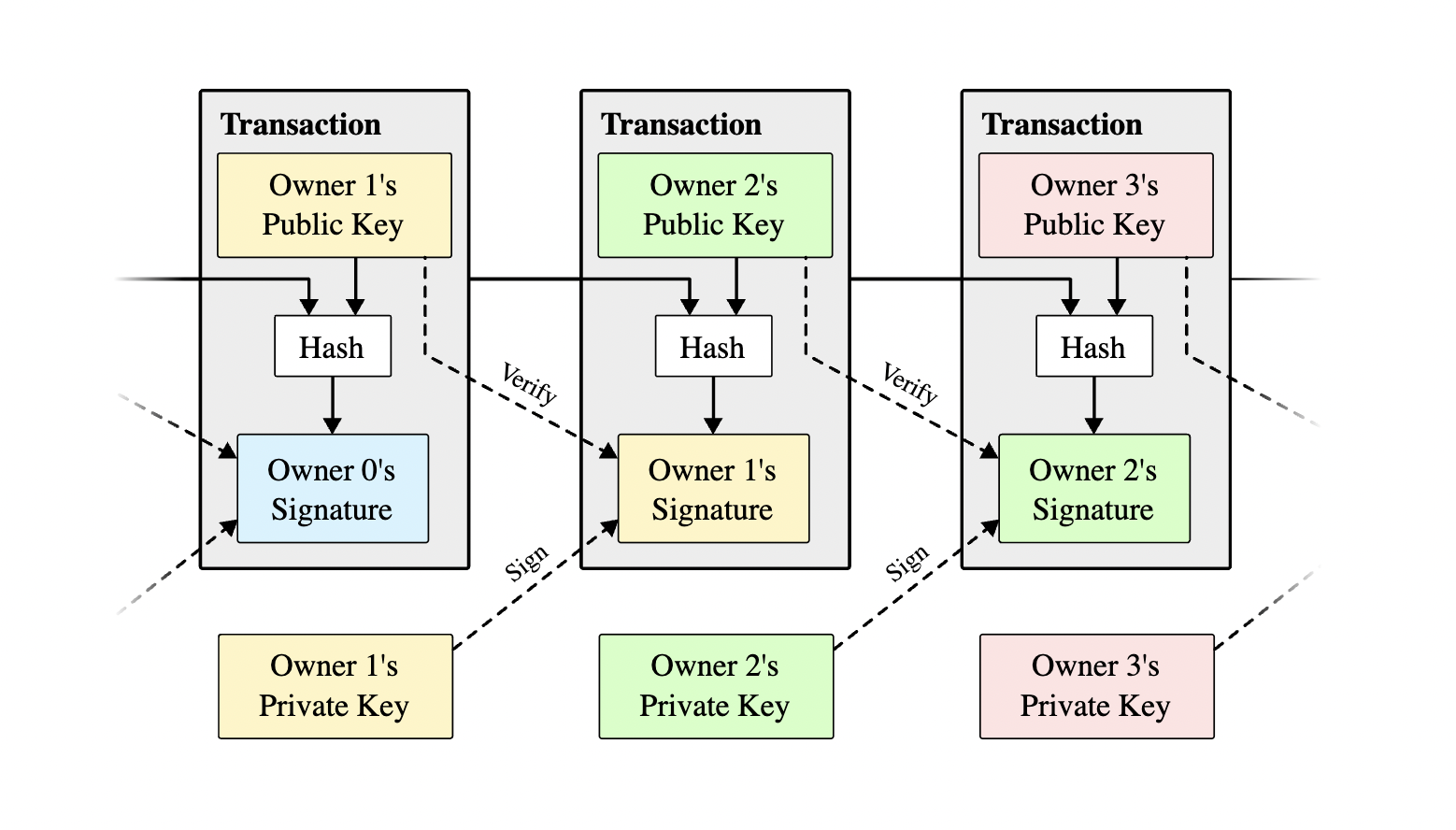
Understand Bitcoin role in the changing world order at bitcoin.org.
Bitcoin as a Tool for Peace
Paradoxically, Bitcoin may become a tool for peace. By providing a neutral settlement layer that no single nation can control, Bitcoin reduces the ability of any one country to weaponize the financial system. When nations can settle trade in a neutral asset, the incentive to maintain dollar hegemony diminishes.
Bitcoin also reduces the ability of governments to fund wars through inflation and debt. When money cannot be printed at will, governments must make harder choices about spending. This fiscal discipline, enforced by Bitcoin fixed supply, could reduce the frequency and severity of military conflicts funded by money printing.
The Strategic Bitcoin Reserve
In 2025, the United States established a Strategic Bitcoin Reserve, recognizing Bitcoin as a strategic asset similar to gold. This decision was driven by the recognition that Bitcoin is becoming an increasingly important part of the global financial system, and that holding Bitcoin strengthens the country position in the new financial order.
Other nations are likely to follow suit. As Bitcoin market capitalization grows and its role in international trade expands, holding Bitcoin will become a strategic imperative for nations that want to maintain their economic sovereignty. The nations that accumulate Bitcoin now will be the ones with the most influence in the new financial order.
The Strategic Bitcoin Reserve represents a fundamental shift in how nations think about Bitcoin. It is no longer seen as a speculative asset or a tool for criminals – it is seen as a strategic asset that strengthens national security and economic sovereignty.
Conclusion
The geopolitics of Bitcoin is a complex and rapidly evolving topic. As Bitcoin continues to grow and mature, its impact on the global balance of power will only increase. Nations that embrace Bitcoin early will be better positioned in the new financial order, while those that resist may find themselves at a competitive disadvantage.
Understanding Bitcoin is no longer just a matter of financial literacy – it is a matter of geopolitical literacy. The nations and individuals who understand Bitcoin best will be the ones who thrive in the new financial order that is emerging.