
When most people think about participating in the Bitcoin network, they think about buying and holding Bitcoin. But there is another way to participate that is arguably more important: running a full node. A full node is a computer that downloads and verifies the entire Bitcoin blockchain, enforcing the networks rules independently. By running a full node, you contribute to Bitcoins decentralization and gain the ability to verify your own transactions without trusting anyone else.
What Is a Full Node?
A full node is a software program that fully validates all Bitcoin transactions and blocks. It downloads every block since the genesis block (January 3, 2009) and verifies that each transaction follows Bitcoins consensus rules. If a transaction or block violates the rules, the full node rejects it – regardless of what other nodes or miners think.
Full nodes enforce rules such as: no double-spending, no inflation beyond the block reward, valid signatures, and valid block structure. By enforcing these rules, full nodes ensure that Bitcoin remains sound money.
Full Nodes vs. Lightweight Nodes
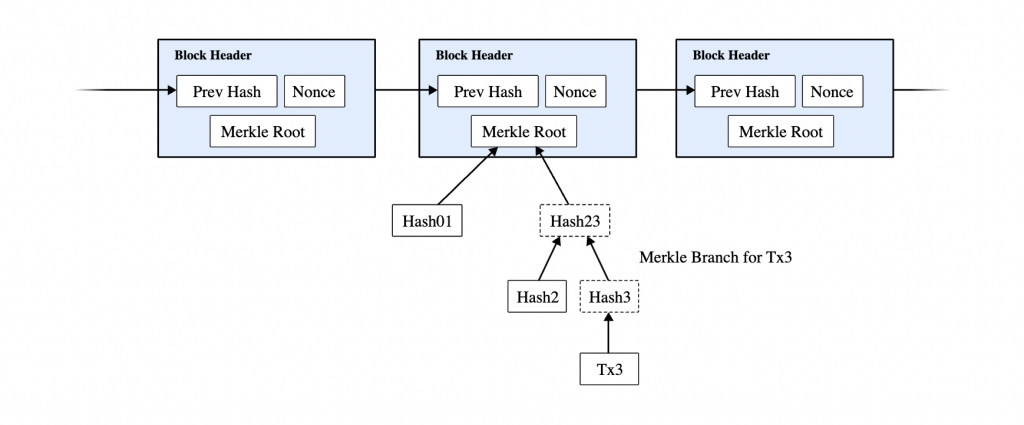
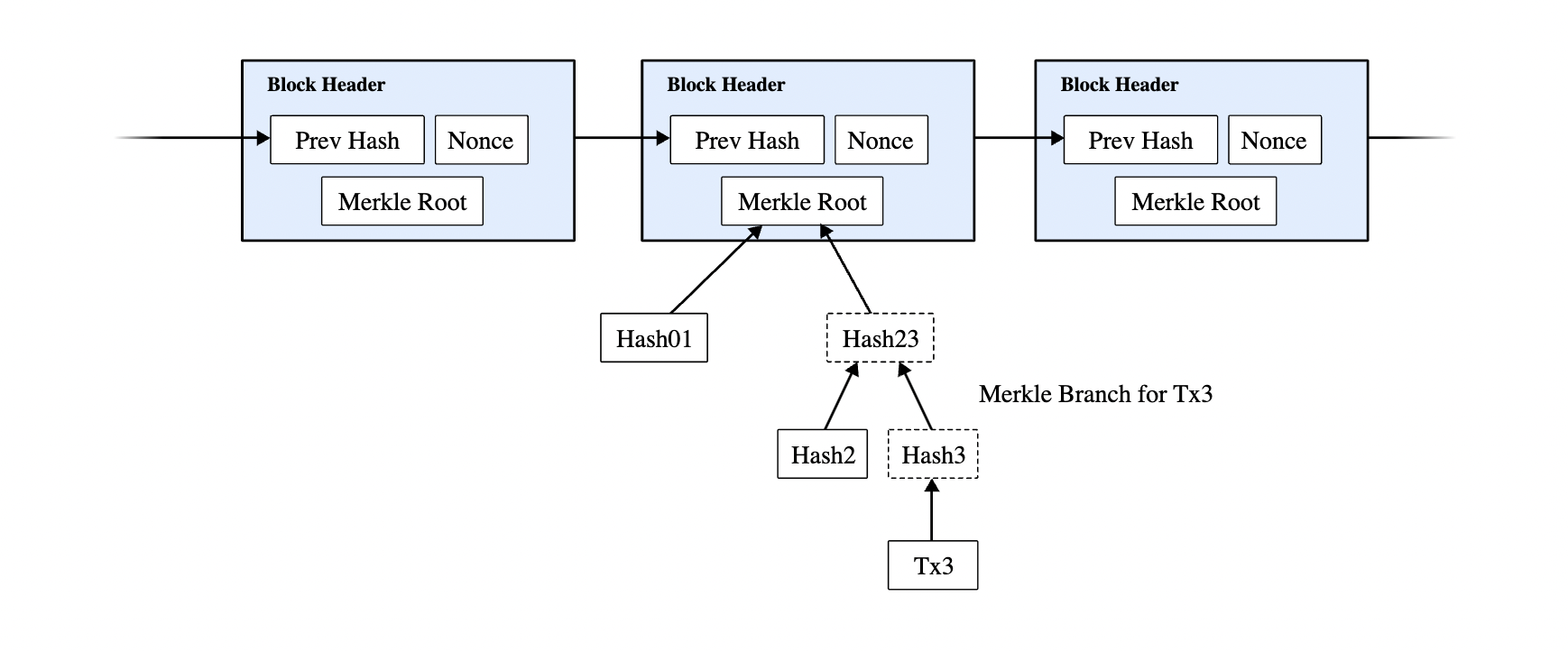
Lightweight nodes (SPV nodes) download only block headers, not full blocks. This makes them smaller and faster but requires trusting full nodes for transaction data. Full nodes provide maximum security and privacy but require ~600 GB of storage and ~500 GB/month of bandwidth.
Why Run a Full Node?
Running a full node enables you to verify, not trust – independently confirming your transactions without relying on third parties. It provides privacy by querying your own copy of the blockchain instead of a servers. It contributes to decentralization, making Bitcoin more resilient. And it enforces the rules, preventing miners from changing Bitcoins protocol.
How to Run a Full Node in 2026
Bitcoin Core is the reference implementation, requiring ~600 GB storage and a computer that can run 24/7. Umbrel is a user-friendly OS that turns a Raspberry Pi into a Bitcoin and Lightning node with a beautiful web interface. RaspiBlitz offers more customization options. Start9s Embassy is a premium device focused on privacy. MyNode is a free, open-source option.

The Cost of Running a Node
Hardware costs $100-300 for a Raspberry Pi plus SSD (one-time). Electricity costs $2-5/month. Internet requires ~500 GB/month. For less than $300 upfront and $5/month, you can run a full node that contributes to Bitcoins security and gives you complete financial sovereignty.
The number of reachable Bitcoin full nodes has grown to over 15,000, distributed across more than 100 countries. This geographic diversity makes Bitcoin resistant to regional disruptions.
Running a full node is the most important thing you can do for Bitcoin after buying your first bitcoin. Its how you become a sovereign individual in the Bitcoin network.
Bitcoin educators
Get started with running a Bitcoin node at bitcoin.org.
What Happens When You Run a Node
When you start a Bitcoin full node, it begins by downloading and verifying the entire blockchain. This process, called initial block download (IBD), can take anywhere from a few hours to several days depending on your hardware and internet connection. During IBD, your node downloads every block since the genesis block and verifies every transaction.
Once IBD is complete, your node continues to download and verify new blocks as they are mined. It maintains a complete copy of the UTXO set (the set of all unspent transaction outputs), which is the current state of the Bitcoin ledger. This UTXO set is what allows your node to quickly verify new transactions.
Pruning: Running a Node with Less Storage
If you do not have 600 GB of storage available, you can run a pruned node. A pruned node downloads and verifies the entire blockchain but then discards old blocks, keeping only the most recent ones. This reduces storage requirements to about 5-10 GB while still providing full validation.
The trade-off is that a pruned node cannot serve historical blocks to other nodes. But for personal use – verifying your own transactions and contributing to network security – a pruned node is just as effective as a full archival node.
The Node Count Debate
There is ongoing debate about the optimal number of Bitcoin nodes. Some argue that more nodes are always better, as they increase decentralization and resilience. Others argue that the quality of nodes matters more than the quantity – a few thousand well-maintained, always-on nodes are better than tens of thousands of intermittently connected nodes.
What is clear is that running a node is one of the most impactful things you can do for Bitcoin. It contributes to the networks decentralization, gives you financial sovereignty, and helps enforce the rules that make Bitcoin work.
Getting Started
If you are ready to run your own node, visit bitcoin.org and download Bitcoin Core. For a more user-friendly experience, consider Umbrel or RaspiBlitz on a Raspberry Pi. The initial setup takes a few hours, but once your node is running, it requires minimal maintenance.
Running a full node is the ultimate expression of Bitcoins ethos: verify, dont trust. When you run a node, you are saying that you dont need anyone elses permission to participate in the Bitcoin network. You are a sovereign individual in a decentralized financial system.
Get started with running a Bitcoin node at bitcoin.org.
Advanced Node Configurations
For users who want to go beyond a basic full node, there are several advanced configurations available. Pruned nodes reduce storage requirements to about 5-10 GB while still providing full validation. Indexing nodes maintain additional indexes that enable faster queries. And archival nodes store the entire blockchain, serving historical data to other nodes.
Users can also configure their node to connect only to specific peers, use Tor for privacy, or run multiple nodes for redundancy. The Bitcoin Core configuration file offers dozens of options for customizing node behavior.
Nodes and the Lightning Network
Running a full node is also a prerequisite for using the Lightning Network effectively. Lightning wallets that connect to your own node provide better privacy and security than wallets that connect to third-party nodes. Several Lightning wallets, including Zeus, Phoenix, and Breez, support connecting to your own node.
The combination of a full node and a Lightning wallet provides the best possible Bitcoin experience: full validation of the blockchain for on-chain transactions, and instant, cheap payments for Lightning transactions. This is the gold standard for Bitcoin sovereignty.
The Node Ecosystem
The Bitcoin node ecosystem is diverse and growing. In addition to Bitcoin Core, there are alternative implementations like Bitcoin Knots (a fork of Core with additional features), libbitcoin (a C++ implementation), and btcd (a Go implementation). These alternative implementations contribute to Bitcoin’s resilience by reducing the risk of a single implementation bug affecting the entire network.
The number of reachable Bitcoin full nodes has grown to over 15,000, distributed across more than 100 countries. This geographic diversity makes Bitcoin resistant to regional disruptions and ensures that the network remains accessible to users around the world.
Get started with running a Bitcoin node at bitcoin.org.