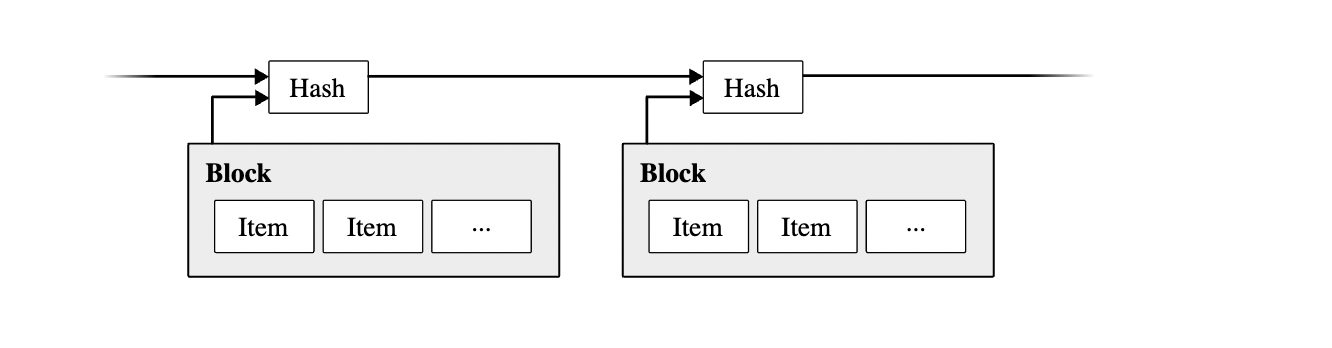
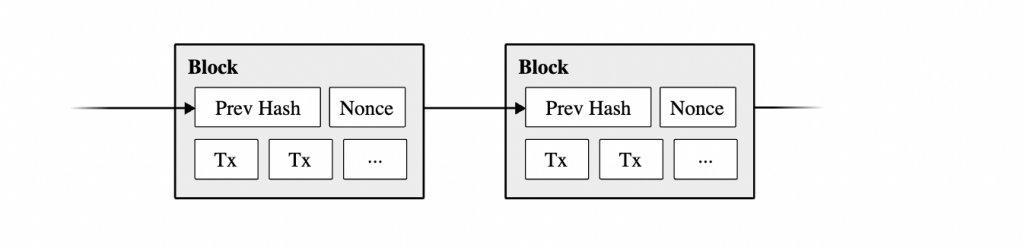
Every 2,016 blocks – roughly every two weeks – Bitcoin performs a quiet miracle. It automatically adjusts the difficulty of its mining puzzle to ensure that blocks continue to be found every 10 minutes, regardless of how much computing power is on the network. This self-regulating mechanism is one of the most elegant and important features of Bitcoins design.
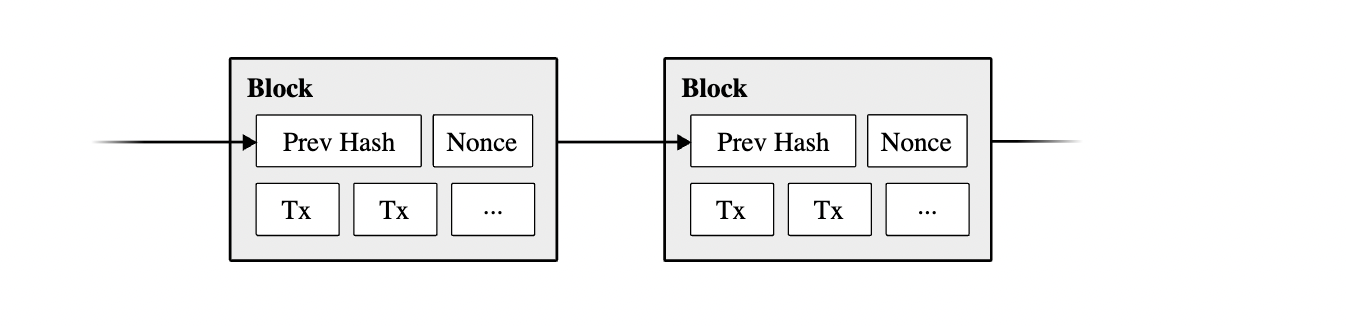
Why Difficulty Adjustment Is Necessary
Bitcoins protocol targets a 10-minute block time – a carefully chosen balance between speed and security. But the total computing power on the network changes constantly as miners join, leave, and hardware improves. Without difficulty adjustment, block times would fluctuate wildly.
The adjustment works simply: every 2,016 blocks, Bitcoin calculates how long the previous 2,016 blocks took. New Difficulty = Old Difficulty x (Actual Time / Target Time). If blocks were found too quickly, difficulty increases. If too slowly, it decreases.
Historical Difficulty Growth
Bitcoins difficulty has increased from 1 in 2009 to over 120 trillion in 2026 – an increase of over 13 orders of magnitude. The network hash rate has grown from 7 MH/s to over 800 EH/s. This growth reflects the continuous investment in mining hardware and the increasing value of the Bitcoin network.
Notable difficulty decreases include the December 2017 price crash, the March 2020 COVID crash, and most dramatically, the May-July 2021 China mining ban which caused the largest difficulty decrease in Bitcoins history – a 28% drop as over 50% of hash rate went offline.
The China Mining Ban: A Case Study
When China banned Bitcoin mining in May 2021, approximately 50% of the networks hash rate went offline. Blocks immediately began taking over 20 minutes. But the difficulty adjustment worked as designed: at the next adjustment, difficulty dropped 28%. Within a few cycles, block time was back to 10 minutes. Within six months, hash rate had not only recovered but exceeded pre-ban levels.
Why the Difficulty Adjustment Is Genius
The difficulty adjustment ensures predictable monetary policy by keeping block time consistent. It provides security proportional to Bitcoins value – as price increases, more hash power is attracted, and difficulty adjusts upward. It makes Bitcoin resilient to disruptions without requiring human intervention. And it ensures no single miner can control block time.
The difficulty adjustment is Bitcoins most underappreciated innovation. Its what makes Bitcoins monetary policy truly automatic and trustless.
Bitcoin protocol developers
The Relationship to Price
There is a complex relationship between Bitcoins price, hash rate, and difficulty. Rising prices attract more miners, increasing hash rate and difficulty. Falling prices force unprofitable miners out. This creates a natural equilibrium where mining profitability self-regulates.
Learn more about Bitcoins protocol design at bitcoin.org.
The Difficulty Adjustment and Bitcoins Monetary Policy
The difficulty adjustment is the mechanism that makes Bitcoins fixed supply schedule possible. Without it, changes in mining power would cause the block rate to fluctuate, which would cause the rate of new Bitcoin creation to fluctuate. This would undermine Bitcoins monetary policy and its value proposition as a store of value.
By keeping the block time constant at 10 minutes, the difficulty adjustment ensures that new Bitcoin is issued at a predictable rate: 3.125 BTC per block, 450 BTC per day, approximately 164,250 BTC per year. This predictability is essential for Bitcoins function as sound money.
Difficulty and the Security Budget
The difficulty adjustment also plays a crucial role in Bitcoins long-term security. As block rewards decrease with each halving, miners will increasingly rely on transaction fees for revenue. The difficulty adjustment ensures that the network remains secure regardless of the fee environment.
If transaction fees are high, mining is profitable, and hash rate is high. If transaction fees are low, some miners shut down, difficulty decreases, and the remaining miners become profitable again. This self-regulating mechanism ensures that Bitcoin can always pay for its own security.
The 2024 Halving and Difficulty
The 2024 halving provided a real-world test of the difficulty adjustment. When block rewards were cut from 6.25 to 3.125 BTC, many miners became unprofitable at the current Bitcoin price. Hash rate dropped as miners shut down, and the difficulty adjustment responded with a decrease at the next adjustment period.
This was exactly how the system was designed to work. The difficulty adjustment ensured that Bitcoin continued to function normally despite the significant reduction in mining revenue. Within a few adjustment cycles, the network had reached a new equilibrium.
The Long-Term Outlook
As we look toward future halvings (2028, 2032, and beyond), the difficulty adjustment will continue to play its essential role. Each halving will put pressure on miners, forcing the industry to become more efficient and more dependent on transaction fees.
By the time the last Bitcoin is mined (estimated around 2140), transaction fees will be the sole source of mining revenue. The difficulty adjustment will ensure that the network remains secure even in this fee-only era. This is the ultimate test of Bitcoins design, and the difficulty adjustment is the mechanism that will make it possible.
Learn more about Bitcoins protocol design at bitcoin.org.
The Difficulty Adjustment and Bitcoins Value Proposition
The difficulty adjustment is one of the key mechanisms that makes Bitcoin sound money. By ensuring a predictable rate of new supply, it makes Bitcoin’s monetary policy truly automatic and trustless. No human intervention is needed – the protocol adjusts itself based on objective criteria.
This is fundamentally different from fiat currency, where central banks make discretionary decisions about interest rates and money supply. These decisions are often influenced by political considerations, and they can lead to inflation, deflation, or other economic disruptions. Bitcoin’s difficulty adjustment eliminates this human element.
The Difficulty Adjustment in Extreme Scenarios
The difficulty adjustment has been tested in extreme scenarios. During the 2021 China mining ban, over 50% of the network’s hash rate went offline. The difficulty adjustment responded with the largest decrease in Bitcoin’s history, and the network continued to function normally.
In a more extreme scenario – say, a global internet outage that took 90% of hash rate offline – the difficulty adjustment would eventually restore normal block times. It might take several adjustment periods (weeks), but the network would survive. This resilience is one of Bitcoin’s greatest strengths.
The Long-Term Security Budget
As block rewards approach zero (expected around 2140), the difficulty adjustment will play a crucial role in ensuring Bitcoin’s long-term security. The mechanism will ensure that miners are always incentivized to secure the network, even if their only revenue comes from transaction fees.
This is the ultimate test of Bitcoin’s design. If the difficulty adjustment can maintain network security in a fee-only era, Bitcoin will have proven itself as a truly sustainable monetary system. The early evidence is promising – transaction fees have been growing as a percentage of miner revenue, and the network has never been more secure.